Rare Bacterial Diseases and/or Mosquito Bite Virus Diseases and/or Encephalitis Virus disease of America’s and Russia and Africa and Asia and Australia | Medtick
Rare Bacterial Diseases and/or Mosquito Bite Virus Diseases and/or Encephalitis Virus disease of America’s and Russia and Africa and Asia and Australia
What is it?
Plague
Countries affected are:
North America
United States of America (Alaska, Hawaii, Oahu, Maui)
Plague – caused by the bacterium, Yersinia pestis, Humans usually get plague after being bitten by a rodent flea that is carrying the plague bacterium or by handling an animal infected with plague (United states of America).
Africa
Madagascar
Plague – caused by the bacterium, Yersinia pestis, Humans usually get plague after being bitten by a rodent flea that is carrying the plague bacterium or by handling an animal infected with plague .
Other bacterial disease of America’s
Vibrosis – intestinal disease caused by small bacteria called vibrio.
Vibrio are found in fish and shellfish living in saltwater and in rivers and streams where freshwater meets saltwater (United States of America).
Cyclopsoriasis – intestinal illness caused by the microscopic parasite Cyclospora cayetanensis (United States of America).
Anaplasmosis – Anaplasmosis is a disease caused by the bacterium Anaplasma phagocytophilum.
These bacteria are spread to people by tick bites primarily from the blacklegged tick (Ixodes scapularis) and the western blacklegged tick (Ixodes pacificus) (United States of America).
Cyclospora – Cyclospora is a disease caused by the parasite cyclosporiasis that causes watery, and sometimes explosive, diarrhoea.
The one-celled parasite that causes cyclospora infection can enter your body when you ingest contaminated food or water (Mexico).
Rare Viral Mosquito and/or Encephalitis type diseases
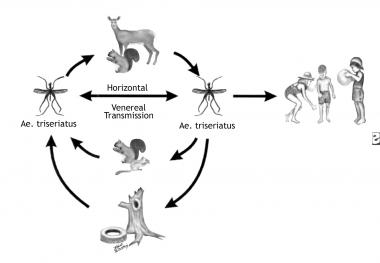
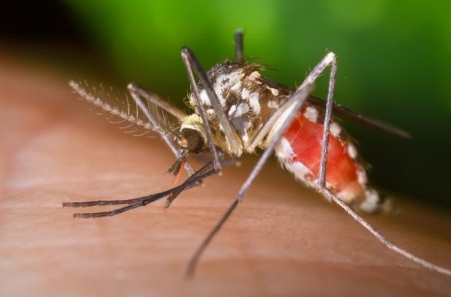
A rare viral infection/disease caused by the bite of an infected mosquito mainly found in reservoirs and woodland areas (especially in trees with tree holes and shedding leaves each year) and certain animals population.
America’s
California serogroup viruses which includes:
California encephalitis (mosquito in woodlands from chipmunk, squirrels, rabbits and hares populations in Western America and Canada).
Jamestown Canyon virus (Found in Deer’s and mosquito populations near reservoirs in North Americas).
La Crosse virus (LACV) (the eastern tree hole mosquito in woodlands from chipmunk and squirrels populations in North Americas)
Snowshoe hare virus (found in snow shoe hare populations)
Keystone virus (found in squirrels and deer populations in North Americas)
Tahyna virus (wild European rabbit and The European hare from Central Europe and Russia).
Cache valley virus (rabbits found in America).
Tensaw virus (rabbits found in Southern Eastern America).
Northway virus (rabbits and snow shoe hare found in Alaska and California, America).
Silver water virus (mosquito bites and ticks from squirrels and rabbits and snow shoe hare in America).
Others:
St Louis Encephalitis – caused by bites of mosquito (North America)
Western Equine Encephalitis Virus (found in horses, North America and South America’s)
Eastern Equine Encephalitis virus (found in horses, donkeys, zebra, cats, dogs, cattle, goats, pigs, birds, squirrels and rodents (North America and South America’s).
Venezuelan Equine Encephalitis (found in horses , donkeys, Zebra, cats, dogs, cattle, goats, pigs, rodents, and birds , Central America’s and Argentina).
Powassan virus – a Flavivirus transmitted by ticks (North America and Russia).
Bourbon virus – transmitted by ticks (North America).
Adenovirus 14 (North America)
Acute flaccid myelitis- rare condition that affects the spinal cord (North America)
Oropouche fever – is a tropical viral infection transmitted by biting midges from the blood of sloths to humans, non-human primates, and perhaps birds.
The midges C paraensis, which breeds in moist soil rich in organic matter and thrives in rural, forested, and densely vegetated environments. Higher temperatures and increased rainfall have created favourable conditions for this vector, helping to explain why the disease is much more common in rural areas than in urban areas. The midge is also only about one third the size of a typical mosquito, allowing it to pass through standard mosquito nets and making it less susceptible to conventional vector control measures such as fogging and eliminating standing water.
There is emerging evidence suggesting the possibility of vertical transmission (from mother to foetus), which may lead to adverse pregnancy outcomes.
It has similar symptoms to dengue (Central and South America, Peru).
Symptoms typically appear 4 to 8 days after an infective bite and include sudden onset of fever, headache, joint and muscle pain, nausea, vomiting, rash, light sensitivity, and pain behind the eyes. In most cases, the illness is mild and self-limiting, lasting up to seven days. However, in some cases, more severe manifestations such as meningitis or encephalitis can occur. Case numbers in countries such as Brazil and Cuba have been reported.
Europe
Russia
Powassan virus – a Flavivirus transmitted by ticks
Alkhurma haemorrhagic fever – virus carried by infected ticks via including sheep, cattle and camels (Saudi Arabia).
Africa
MDR/XDR tuberculosis – resistant form of tubeculosis to drugs: Isoniazid and Rifampin, plus any fluoroquinolone and at least one of three injectable second-line drugs (i.e. amikacin, kanamycin, or capreomycin)
Crimean-Congo Haemorrhagic Fever (Eastern and southern Europe, Central Asia, all of Africa, Middle East) – Fever carried by infected ticks from a reservoir usually in animals such as cattle, sheep and goats or direct contact of blood of cattle, sheep and goats. Human-to-human transmission can occur resulting from close contact with the blood, secretions, organs or other bodily fluids of infected persons.
Rift valley fever from infected cattle, sheep, livestock and goats, mosquito bites (from infected mosquito to human), unpasteurized milk, raw undercooked meat . (Eastern and southern Africa)
Asia
Akhmeta virus- viral pox virus similar to small pox
MDR/XDR tuberculosis – resistant form of tuberculosis to drugs: isoniazid and rifampin, plus any fluoroquinolone and at least one of three injectable second-line drugs (i.e. amikacin, kanamycin, or capreomycin)
Kyasanur Forest disease (KFD)- virus carried by infected ticks via Monkeys, rodents and shrews or incontact with infected animals (South India).
Nipah Encephalitis – Consumption of raw date sap contaminated by fruit bats and from pigs (mainly in Bangladesh, India, Singapore, Malaysia amongst pig farmers)
Sarcocystosis- a disease caused by a microscopic parasite Sarcocystis.
In humans, two types of the disease can occur, one causes diarrhea, mild fever, and vomiting (intestinal type), and the other type causes muscle pain, transitory edema, and fever (muscular type)
Australia
Murray Valley Encephalitis and Kunjin Encephalitis in Australia (found in wading birds i.e. herons).
Barmah forest virus – caused by bites of mosquito
Ross river virus- caused by bites of mosquito
Mosquito Bourne virus – caused by bites of mosquito
Hendra virus- from natural host of the virus of the fruit bat of the Pteropodidae Family
Source: Medscape eMedicine ' La crosse Ecephalitis'
Source: tn.gov
Symptoms
(Symptoms appear suddenly and severe)
High temperature greater than 38°C (100°F) or over and/or chills and sweats longer than 72 hours?
Headache which is on and off or a constant headache longer than 24 hours?
Swollen or sticky eye and/or sensitive to light (not always)?
Ear infection (earache greater than four days) or a discharge (not always)?
Sore throat longer than seven days or more (not always)?
Runny nose, congestion, cold not cleared by over the counter medication or greater than three weeks (not always)?
Have initially a persistent dry cough which has now become a chesty cough with yellow/green and/or blood stained phlegm (not always)?
Dry cough longer than three weeks and/or breathing difficulties (not always)?
Use insect/tropical repellent spray including N,N-Diethyl- meta-tolumide (DEET), picaridin, oil of lemon eucalyptus/p-menthane 3,8,diol (PMD).
Use window and door screen nets.
Use bed nets.
Detailed Information
Please copy and paste any key words from the title: Rare Bacterial Diseases and/or Mosquito Bite Virus Diseases and/or Encephalitis Virus disease of America’s and Russia and Africa and Asia and Australia in the following respective 'Medtick References and/or Sources' to find out more about the disease (this also may include diagnosis tests and generic medical treatments).
The Pharmaceutical Journal covers analysis, features, opinion, learning and careers articles, providing insight and knowledge about drugs, pharmacy practice, medicines use and healthcare policy in the context of the pharmacy profession and pharmaceutical science.
Healthy changes start with little changes. Whether you want to lose weight, drink less alcohol, get active or quit smoking, you have access to lots of free tools and support through Better Health. You can also find simple ways to lift your mood with Every Mind Matters.
There has never been a better time to kickstart your health. Let’s do this!