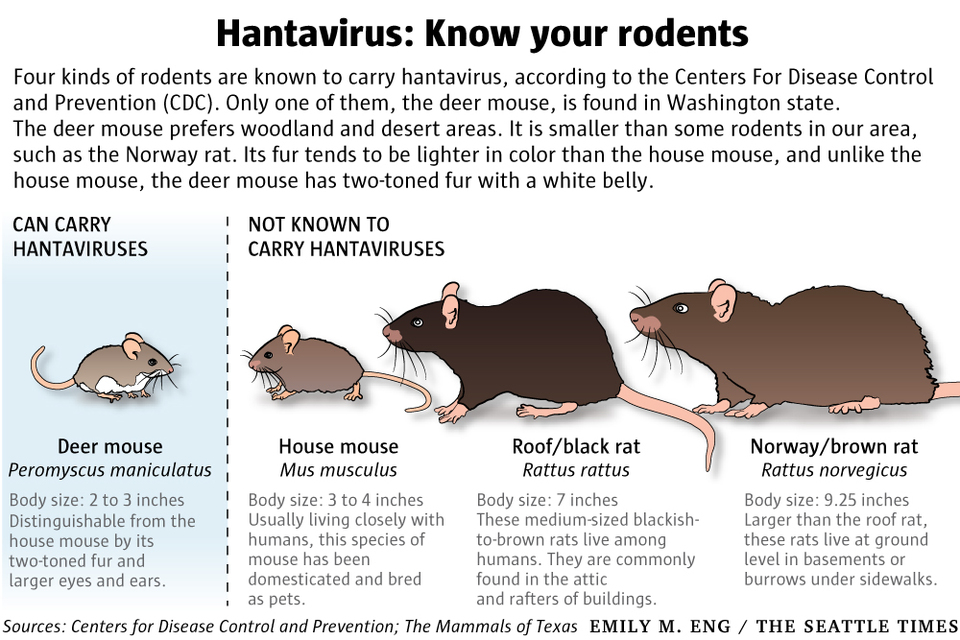
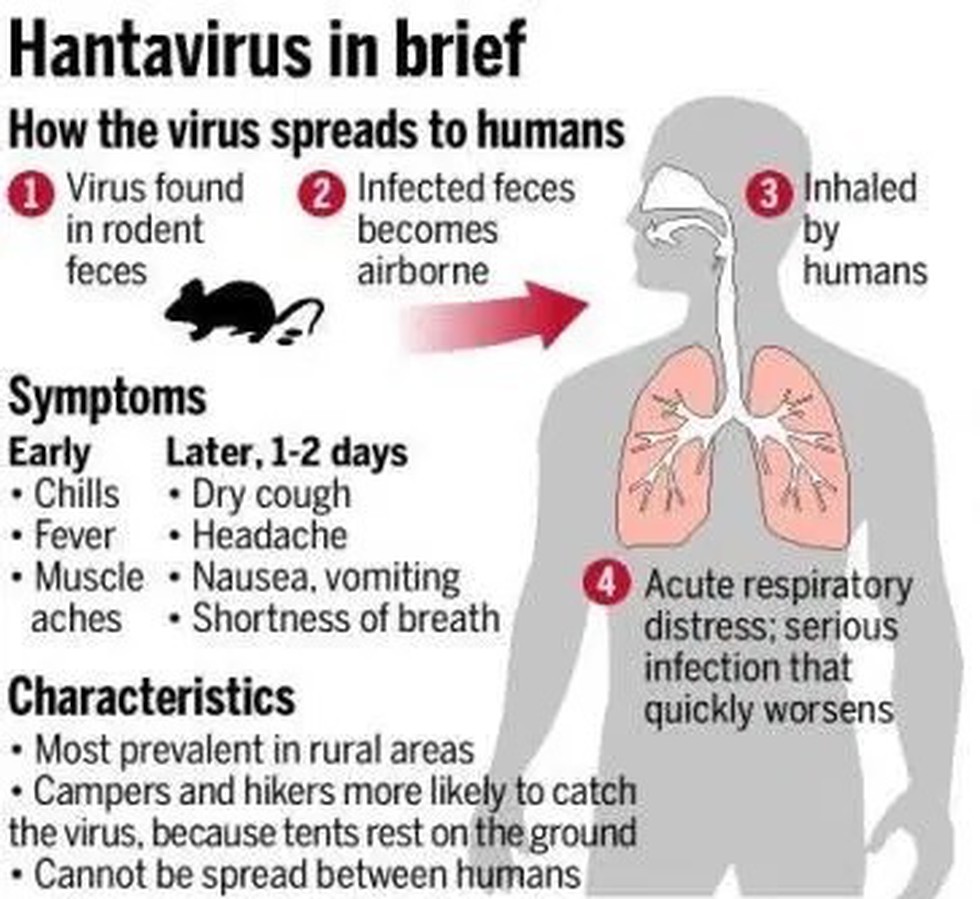
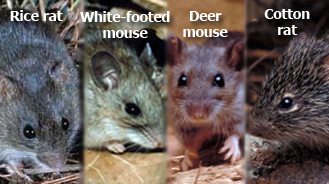
A life threatening viral condition caused by exposure to rodents and deer mice urine and faeces especially during camping and going in to old unused buildings, that may lead to severe respiratory conditions i.e. pneumonia and/or respiratory damage and/or internal bleeding and/or kidney damage.
It does not spread between humans apart from a rare strain called Andes virus strain where rare instances of human transmission have been documented.
Symptoms usually appear between two to four weeks after being exposed to the virus, but can occur more than a month later.
Urgent Hospital testing and Contact tracing
If one believes they have this condition urgent hospital support is required and for urgent testing. Contact tracing is required to prevent an out break occurring and isolation is required.
Isolation Period
The isolation period for Hanta virus during incident or outbreak is typically recommended to be 45 days (approximately six weeks), though it can be extended to eight weeks
Diagnosis tests
Blood tests:
Serology (Antibody Tests): The primary method is testing for IgM and IgG antibodies to the virus using immuno-fluorescent assays (IFA) or ELISA.
Molecular Testing (RT-PCR): Detects viral RNA in blood or respiratory samples, which can confirm the infection, particularly in early stages.
Complete Blood Count (FBC): Doctors look for warning signs like low platelet counts, high hematocrit, or abnormal white blood cells.
Imaging:
Chest X-rays are crucial to detect fluid build up in the lungs typical of Hantavirus Pulmonary Syndrome (HPS)
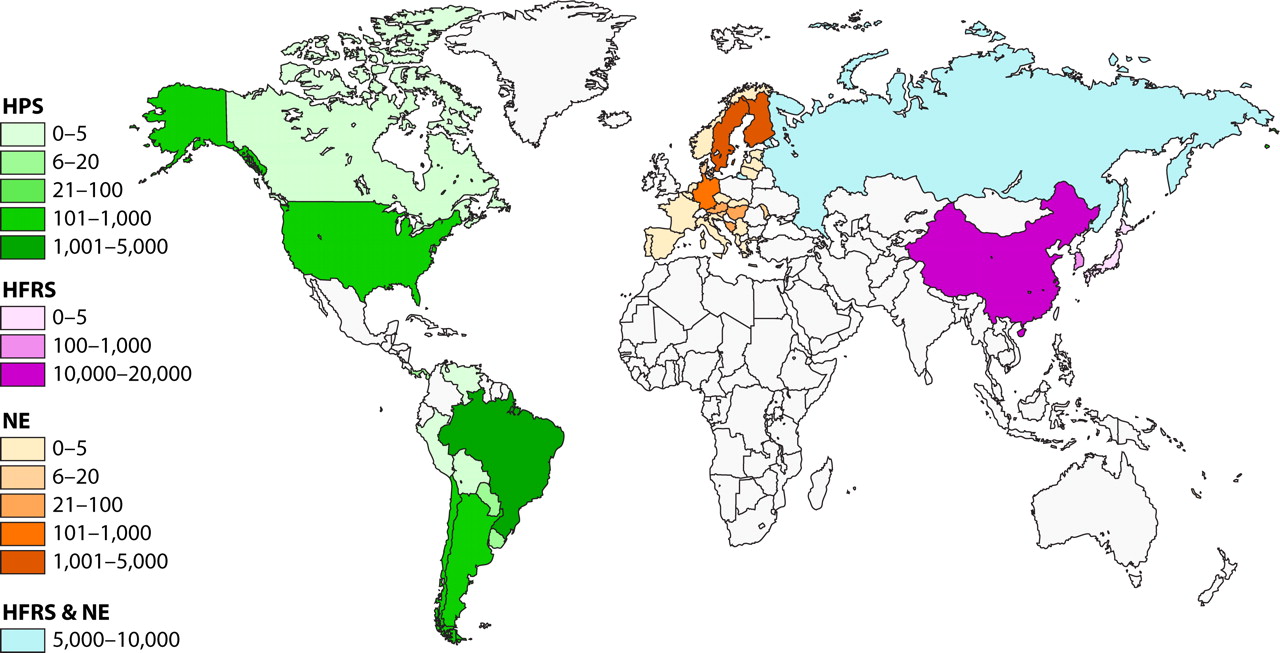
United States of America (Alaska, Hawaii, Oahu, Maui)
South America
Argentina
Europe & Russia
Albania
Austria
Croatia
Germany
Greece (Corfu, Crete, Rhodes)
Hungary
Republic of North Macedonia
Slovenia
Ibuprofen and other NSAIDs should not be used as this condition can affect your kidneys. Check with your Medical doctor/Pharmacist when one can have any type of fever reducing medication to make sure it suitable for you.
Cause
Virus: Hanta virus
These strains primarily cause Hantavirus Pulmonary Syndrome (HPS), a severe respiratory illness.
New World Hantaviruses (The Americas)
Sin Nombre Virus (SNV): The most common cause of HPS in the western United States, primarily carried by the deer mouse.
Andes Virus (ANDV): Found in South America (Argentina and Chile). It is uniquely significant as the only hantavirus known to spread between humans, typically through very close contact.
Other Strains: Includes the New York virus, Bayou virus, and Black Creek Canal virus.
These variations typically cause Haemorrhagic Fever with Renal Syndrome (HFRS), which primarily affects the kidneys
Old World Hantaviruses (Europe and Asia)
Hantaan Virus (HTNV): A major cause of severe HFRS in East Asia, carried by the striped field mouse.
Seoul Virus (SEOV): Found worldwide because it is carried by common brown and black rats. It generally causes a moderate form of HFRS.
Puumala Virus (PUUV): Common in Europe (especially Scandinavia and Russia). It causes a milder form of HFRS known as nephropathia epidemica.
Dobrava-Belgrade Virus (DOBV): Found in the Balkans and Central Europe, often causing severe HFRS
Exposure to rodents and mice nesting, urine and droppings.
Infected by breathing in air contaminated with virus particles from rodent urine, droppings, or saliva
Transmission between people occurs only through close contact (Andes virus strain) – People can catch it from someone that they spend prolonged time with in close physical proximity.
If one believes they have this condition urgent hospital support is required and for urgent testing. Contact tracing is required to prevent an out break occurring and isolation is required.
Isolation Period
The isolation period for Hanta virus during incident or outbreak is typically recommended to be 45 days (approximately six weeks), though it can be extended to eight weeks
Detailed Information
Please copy and paste any key words from the title: Hanta Virus in the following respective 'Medtick References and/or Sources' to find out more about the disease (this also may include diagnosis tests and generic medical treatments).
The Pharmaceutical Journal covers analysis, features, opinion, learning and careers articles, providing insight and knowledge about drugs, pharmacy practice, medicines use and healthcare policy in the context of the pharmacy profession and pharmaceutical science.
Healthy changes start with little changes. Whether you want to lose weight, drink less alcohol, get active or quit smoking, you have access to lots of free tools and support through Better Health. You can also find simple ways to lift your mood with Every Mind Matters.
There has never been a better time to kickstart your health. Let’s do this!