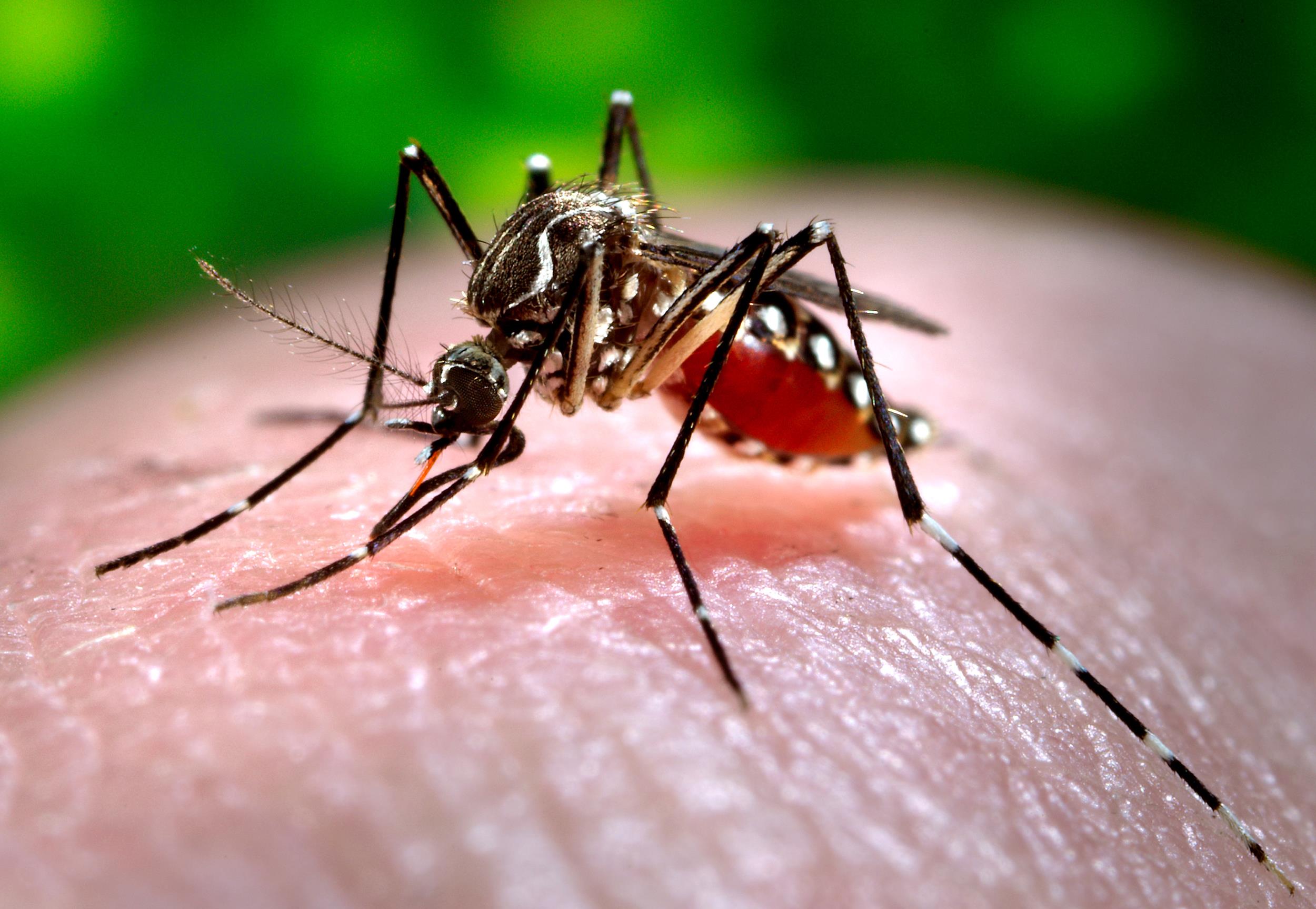
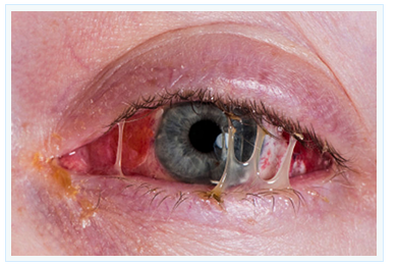
An Infectious viral condition that can spread very quickly via infected Ades.aegypti and Aedes.albopictus mosquitoes in Asia, infected primates and small mammals in Africa.
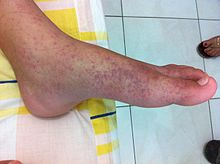
It is similar to Dengue but does not normally cause any haemorrhagic (bleeding) complications but can cause severe arthritis pain which can last up to a year.
Those at risk of serious complication are the very young, older adults and those with weak immune system conditions including diabetes and heart disease.
The time taken to develop symptoms is two to twelve days (most often 3- 7 days) after being bitten and recovery period is from one to four weeks (normally by two weeks).
Outbreaks occur particularly during rainy season where there is fresh standing water and puddles and in high dense populated areas surrounded in this environment:
First 5-7 days is sensitive and specific (during short term illness)
Viral Culture
IgM antibody test (usually positive after about 4–5 days)
IgG antibody test (helps identify past infection)
Transmission
This condition can spread to others via mosquitos bite, the virus can be present in the blood. If a mosquito bites the infected person during the first seven days of illness, it can become infected and transmit the virus to others (when one has symptoms of the disease in the first seven days after fever starts), it is essential to those with the disease to protect themselves from mosquito bites and prevent transmission to others.
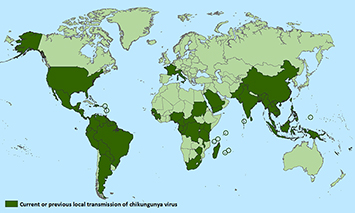
Countries affected are:
Caribbean
Anguilla
Antigua and Barbuda
Aruba
Bahamas
Barbados
Cayman Islands
Curaçao
Dominica
Dominican Republic
Grenada
Guadeloupe
Haiti
Jamaica
Martinique
Montserrat
Puerto Rico
Saint Barthelemy (French Territorial Collectivity)
Saint Kitts and Nevis
Saint Lucia
Saint Martin (French Territorial Collectivity)
Sint Maarten
Trinidad and Tobago
Turks and Caicos
US Virgin Islands
North America
Bermuda
Mexico
United States of America (Alaska, Hawaii, Oahu, Maui)
Central America
Belize
Costa Rica
El Salvador
Guatemala
Honduras
Nicaragua
Panama
South America
Argentina
Bolivia
Brazil
Colombia
Ecuador (Galapagos Islands)
French Guiana
Guyana
Paraguay
Peru
Suriname
Venezuela (Margarita Island)
Europe & Russia
France (Corsica)
Italy (Sardinia, Sicily)
United Kingdom
Africa
Congo
Kenya
Mauritius
Sudan
United Republic of Tanzania (Zanzibar)
Asia
Bhutan
India
Philippines
Singapore
Thailand
Australasia and Pacific
French Polynesia
Papua New Guinea
Diagnosis Tests
Serological studies including enzyme linked immunosorbent assay (ELISA) to confirm anti- CHIKV IgG and IgM antibodies
Virological testing i.e. RT-PCR assay after one week of symptoms onset.
Ibuprofen can be used under medical supervision, however ibuprofen is not recommended in asthma or asthma type symptoms. This condition can be confused with dengue, Ibuprofen cannot be used in dengue because of side effects such as gastritis, increased risk of bleeding , blood thinning properties, thrombocytopenia [condition that occurs when the platelet count in your blood is too low, (platelets help with healing process) ] and dengue fever bleeding complications.
Cause
Virus: Togaviridae (alpha virus) – an RNA virus from the Togaviridae family, Alphavirus genus.
Chikungunya is spread to humans through the bite of infected Aedes mosquitoes, particularly:
Aedes albopictus
Aedes aegypti
These mosquitos are:
Daytime biters, especially active early morning and late afternoon
More common in urban and semi-urban areas however can also be found in rural areas.
Known to breed in stagnant water (i.e. flower pots, buckets, tyres)
Bent-over posture of patients due to the severe joint pain the virus can cause.
Vaccines
A vaccine is available, consider before travel especially if going for a prolong period of time and/or out break areas and/or those visiting regions with chikungunya transmission in the past five years, and laboratory workers handling the virus.
Chikungunya risk is highest for long-term or frequent travellers to areas with active or recent outbreaks, especially during or after the rainy season.
Please talk to your healthcare professional (i.e. Medical Doctor/Pharmacist) for further advice
Detailed Information
Please copy and paste any key words from the title: Chikungunya in the following respective 'Medtick References and/or Sources' to find out more about the disease (this also may include diagnosis tests and generic medical treatments).
The Pharmaceutical Journal covers analysis, features, opinion, learning and careers articles, providing insight and knowledge about drugs, pharmacy practice, medicines use and healthcare policy in the context of the pharmacy profession and pharmaceutical science.
Healthy changes start with little changes. Whether you want to lose weight, drink less alcohol, get active or quit smoking, you have access to lots of free tools and support through Better Health. You can also find simple ways to lift your mood with Every Mind Matters.
There has never been a better time to kickstart your health. Let’s do this!