A long term (normally permanent) condition due to lack of melanin in your skin (Melanin is produced by your skin to give someone their skin colour and help us to be protected from the sun’s rays) causing one to have pale white patches of the skin where there is little or no melanin.
There are two types:
Bilateral or generalised vitiligo or non-segmental vitilgo (common):
This type affects both sides of the body, normally progresses more slowly. It occurs mainly on:
Segmental vitilgo or unilateral vitilgo or localised vitilgo:
Other variations
Morphologic variations of vitiligo include the following:
Diagnosis tests
Syndromes
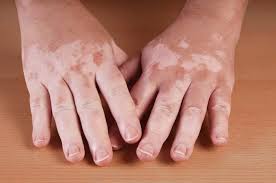
Source: http://www.medicalnewstoday.com
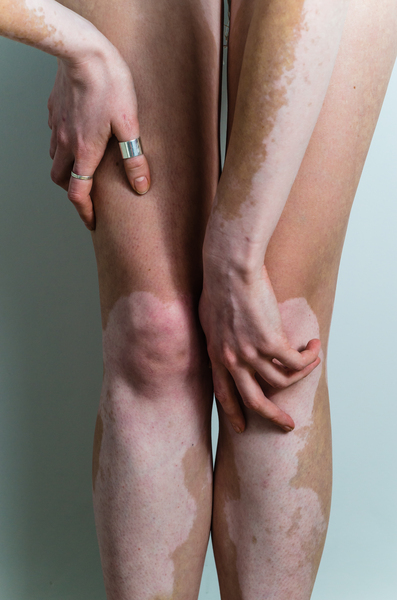
Source: https://ghr.nlm.nih.gov
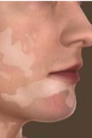
Source: http://profilecosmeticsurgery.com
(Symptoms can vary from person to person)
This condition has been associated with:
General tips
This condition may show similar symptoms to:
Please talk to your healthcare professional (i.e. Medical Doctor/Pharmacist) for further advice
Medical news and health news headlines posted throughout the day, every day.
Latest medical news and expert commentary in your specialty as well as disease information.
Medical Information and health advice you can trust
Wellness inspired. Wellness enabled.
The Pharmaceutical Journal covers analysis, features, opinion, learning and careers articles, providing insight and knowledge about drugs, pharmacy practice, medicines use and healthcare policy in the context of the pharmacy profession and pharmaceutical science.
Find information and advice on health conditions, symptoms, healthy living, medicines and how to get help (British National Health Service).
Better Information. Better Health.
Pushing the Standards of care.
No.1 Hospital in the Nation (America)
Know more. Be sure.
NORD is dedicated to supporting education, elevating care, advancing research, and driving policy for rare diseases.
Know more. Fell better.
Travel health guidance for health professionals advising travellers and for travellers going overseas from the UK.
Health and fitness news. Recipes, Natural Remedies
Healthy changes start with little changes. Whether you want to lose weight, drink less alcohol, get active or quit smoking, you have access to lots of free tools and support through Better Health. You can also find simple ways to lift your mood with Every Mind Matters.
There has never been a better time to kickstart your health. Let’s do this!