Monkeypox is a rare virus infection similar to chickenpox disease (smallpox-like disease) that occurs mainly in the rain forest countries of central and west Africa.
It can be highly contagious and isolation is required
Countries affected are:
Europe & Russia
United Kingdom
Africa
Cameroon
Central African Republic
Congo
Democratic Republic of Congo
Nigeria
Symptoms occur after 7-14 days of exposure but can range from 5-21 days and illness last from two to four weeks.
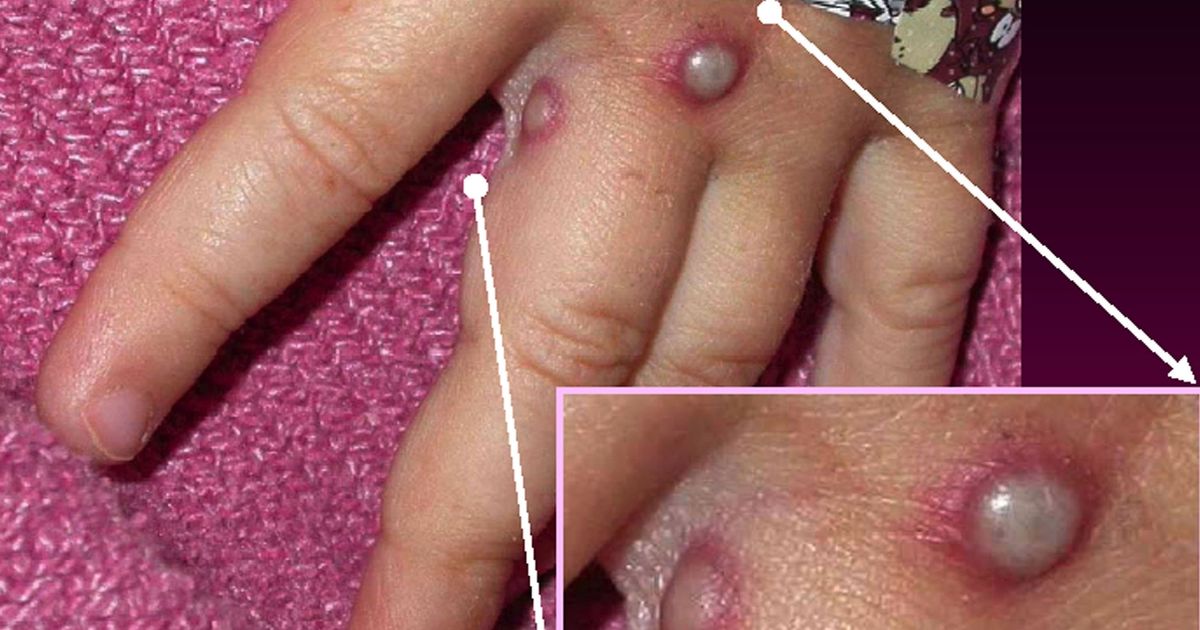
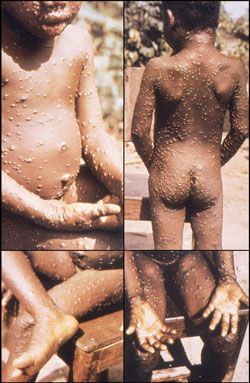
The rash normally develops 1-3 days later after fever symptoms often beginning at the face and then spreading to the rest of the body including hand palms and soles of feet.
Exposed person can receive a Mpox vaccine for post exposure prophylaxis (reduced severity), Vaccination with in 4 days provide the best chance to prevent onset of the disease: Vaccination with 4 – 14 days afterwards may reduce severity of disease but may not prevent it.
Polymerase chain reaction – a definitive diagnostic method for mpox because it directly detects viral DNA with the highest accuracy, making it most reliable during the acute phase of infection. Its ability to identify specific genetic targets of the virus gives it superior sensitivity and specificity compared with other available techniques.
Rapid diagnostic tests offer speed and convenience but generally have lower sensitivity and may miss cases.
Serologic assays detect antibodies, which are more useful for surveillance or assessing past exposure; they are unreliable for early diagnosis because of delayed antibody responses and cross-reactivity with related orthopoxviruses.
Medscape
Diagnosis tests
PCR (Polymerase Chain Reaction
Electron Microscopy
IgM antibody test (usually positive after about 4–5 days)
IgG antibody test (helps identify past infection)
Viral Culture – skin tests
For information regarding testing, screening and complication:
Clade I (Central African/Congo Basin Clade) – severe form
Clade II (West African Clade) – milder form
Clade IIa
Clade IIb
Spread to humans from an infected animal (monkeys, gambian giant rats, squirrels, rabbits) through an animal bite or direct contact with the animal’s lesions or body fluids and/or consumption of small mammals particularly rodents.
Disease also can be spread from person to person:
The virus is thought to be transmitted by respiratory droplets (Coughing or sneezing) during direct and prolonged face-to-face contact.
Person who has spent one night with a person who has monkey pox during infectious period.
Inhalation of dust from cleaning contaminated rooms.
Touching clothing, bedding or towels they use
Touching their skin blisters or scabs
Prolonged skin to skin contact especially those who have damage and injured skin.
In addition, it is possible monkey pox can be spread by direct contact with body fluids of an infected person including eyes, nose , mouth and genitals or with virus-contaminated objects, such as bedding or clothing.
Gay to Gay sexual contact (men who have sex with other men).
medicinenet.com
Source: chroniclelive.co.uk
Source: www.25doctors.com
Source: www.pinterest.com
Symptoms
High temperature greater than 38°C (100°F) or over and/or chills and sweats longer than 72 hours?
Headache which is on and off or a constant headache longer than 24 hours?
General discomfort (muscle weakness), uneasiness or ill feeling (malaise) and/or fatigue (tiredness)?
A new rash that has appeared or existing rash getting worst (a red rash which starts as small itchy red spots, then approximately 12 hours later the spots turn into fluid filled blisters, when they burst it is contagious. Blisters can form on hands, feet, inside mouth or on genitals as open sores. After 1-4 days blisters dry out and begin to crust over. One or two week’s later skin will fall off naturally. It can vary to a few spots to all over body rarely on back)?
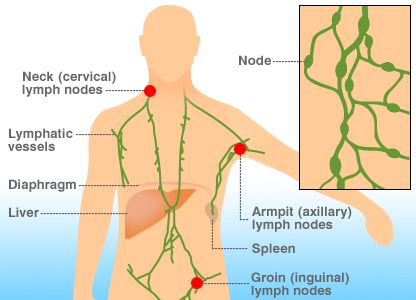
Enlargement of lymph nodes (side of throat, armpits and/or groin)?
Complications /Information to beware of/General tips:
This condition is contagious hence appropriate personal protective equipment should be worn.
If exposed contact all those who have had close contact and ring the emergency services, do not go to hospital (unless having severe emergency symptoms) and/or Medical Doctor practices.
Patient is contagious until all scabs have been covered and fall off.
Monkey pox vaccine is available to high risk groups and those with weak immunity.
Self isolating practices maybe required.
Isolate and Prevention
Everyone – regardless of age – should now be stopping non-essential contact with others to help stop the spread of the virus and protect the most vulnerable.
Avoid gatherings with friends and family as well as crowded places.
Stay one metre apart and wear an appropriate respiratory PPE equipment (face mask) if one is affected and have no choice to be in contact with others.
Persons over 70 of age and those with underlying health conditions because they are at higher risk of developing more severe symptoms if they become infected.
Persons at the highest risk of complications are being asked to isolate at home for minimum six weeks to protect themselves (contact your Medical Doctor to check if you are at high risk) or patient is contagious until all scabs have been covered and fall off.
Coughing and sneezing into tissues and then bin it, if you have no tissue then in the crook (inside) of your elbow.
If possible obtain a Fit-tested FFP3 respirator mask to prevent infection to spread to others when talking.
Do not touch your face with unwashed hands
Avoid close contact with people:
Do not invite or allow social visitors, such as friends and family, to visit
you at home.
Avoid close contact with people you live with, take the following steps
to reduce the chance of passing your infection on to the people you
live with:
Sleep in a separate room, if available, and do not share bedding.
You may need to change your sleeping arrangements to
accommodate this
Use a separate bathroom from the rest of your household, if
available. If you do not have a separate bathroom, follow the
cleaning instructions below
Make sure you use separate towels from other people in your home
Eat in a separate room.
Ask the people you live with to bring your meals to you, do not share food and drinks
Do not share towels and utensils, dishes , drinking glasses
Clean and disinfect frequently touched objects and surfaces
Keep your laundry items separate from the rest of the household’s
laundry and wash them using your normal detergent, following
manufacturer’s instructions. If possible use the highest temperature
which the items can withstand, do not overload the washing machine
(aim for half or two-thirds full) and avoid shorter ‘economy cycles’
(those which reduce water and save energy) until you have fully
recovered.
Post-exposure vaccination for mpox is most effective when given within a 2-week window after a known exposure (preferably within 4 days).
Further tests
One should be tested for all sexual transmitted diseases because mpox has tends to be transmitted through close sexual contact during recent outbreaks.
Please talk to your healthcare professional (i.e. Medical Doctor/Pharmacist) for further advice
Detailed Information
Please copy and paste any key words from the title: MonkeyPox in the following respective 'Medtick References and/or Sources' to find out more about the disease (this also may include diagnosis tests and generic medical treatments).
The Pharmaceutical Journal covers analysis, features, opinion, learning and careers articles, providing insight and knowledge about drugs, pharmacy practice, medicines use and healthcare policy in the context of the pharmacy profession and pharmaceutical science.
Healthy changes start with little changes. Whether you want to lose weight, drink less alcohol, get active or quit smoking, you have access to lots of free tools and support through Better Health. You can also find simple ways to lift your mood with Every Mind Matters.
There has never been a better time to kickstart your health. Let’s do this!