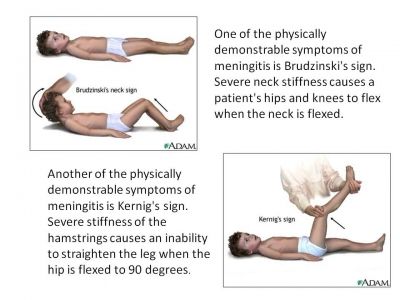
Bacterial and Viral Meningitis (the main focus in this chapter)
A Bacterial infection (more harmful including Meningococcal, Pneumococcal, Group B Strep) or a virus infection (less harmful) that causes swelling of meninges (a protective wall that surrounds the brain and spinal cord causing damage to nerves and brain).
This bacteria lives in the nasal passages causing no harm, however if entered in the bloodstream. It can cause septicaemia.
If the infection enters the brain it causes meningitis.
One can have both meningitis and septicaemia (meningococcal septicaemia).
Once a person is infected it takes from two to ten days for infection to show symptoms.
Other types of meningitis infections include:
Fungal Meningitis: Rare and generally affects people with weakened immune systems (i.e. those with HIV or cancer). It is usually treated with long-term antifungal medication.
Parasitic Meningitis: Extremely rare; often contracted by eating contaminated food or swimming in fresh water (Amoebic meningitis).
Non-Infectious Types
These forms are not contagious and are caused by other medical issues or substances:
Chemical Meningitis: Irritation caused by certain drugs (i.e. NSAIDs), chemicals, or brain surgery.
Carcinomatous (Malignant) Meningitis: Occurs when cancer cells spread to the meninges.
Autoimmune Meningitis: Triggered by conditions like lupus or rheumatoid arthritis.
Diagnosis Test
Lumbar puncture (LP) with CSF analysis
CSF microscopy
CSF Gram stain and culture
CSF PCR testing
CSF glucose level
CSF protein level
Blood cultures
Complete blood count (CBC/FBC)
C-reactive protein (CRP) / Procalcitonin
Blood glucose
CT or MRI brain scan
Chest X-ray or other tests
Type of meningitis
CSF findings
Bacterial meningitis
High WBC (mainly neutrophils), high protein, low glucose
Viral meningitis
WBC increase (mainly lymphocytes), normal glucose, mildly raised protein
The “blanket sign,” which refers to a patient placing a blanket over their head, often signifies severe photophobia consistent with condition such as i.e. migraine or meningitis, traumatic brain injury.
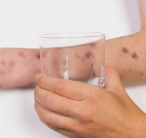
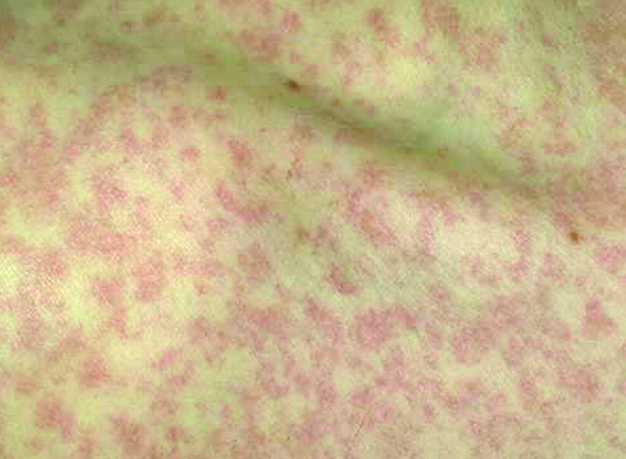
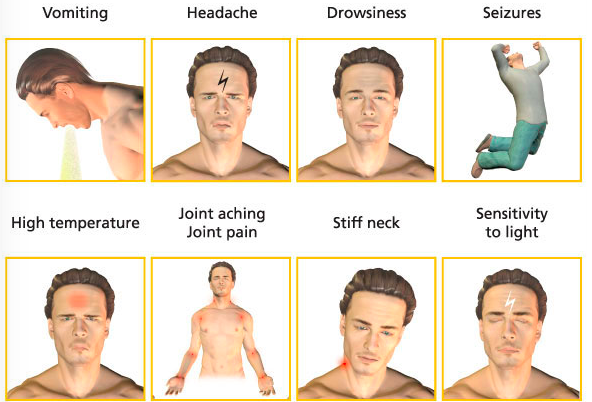
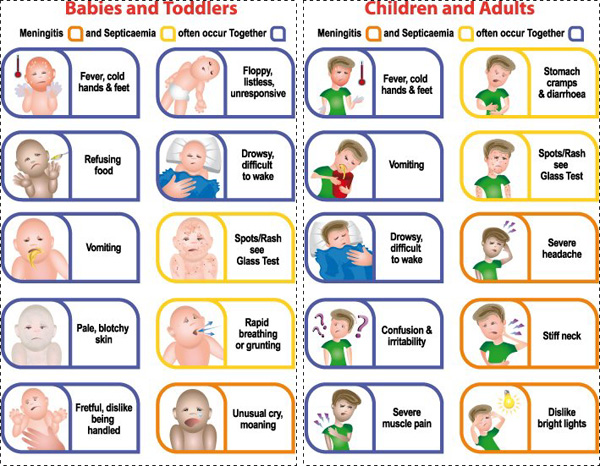
See Images for diagnostic tests.
There are many strains i.e. A,B C,W,X,Y with in the sub groups of bacterial meningitis and tests need to be done to identify the type of strain and then to receive the right vaccine treatment.
If infected person is of close proximity for a long period time involving talking, sneezes, cough, kissing and one breathes the bacteria/virus in.
This condition does not spread as easily. Sitting next to someone is not considered a risk, it normally requires very close contact involving the exchange of saliva i.e. kissing, sharing drinks or vapes.
Indirect contact:
bacteria/Virus is on surface and another touches the surface and then touch their mouth or nose.
Please talk to your healthcare professional (i.e. Medical Doctor/Pharmacist) for further advice
Detailed Information
Please copy and paste any key words from the title: Meningitis (Adults/Children) in the following respective 'Medtick References and/or Sources' to find out more about the disease (this also may include diagnosis tests and generic medical treatments).
The Pharmaceutical Journal covers analysis, features, opinion, learning and careers articles, providing insight and knowledge about drugs, pharmacy practice, medicines use and healthcare policy in the context of the pharmacy profession and pharmaceutical science.
Healthy changes start with little changes. Whether you want to lose weight, drink less alcohol, get active or quit smoking, you have access to lots of free tools and support through Better Health. You can also find simple ways to lift your mood with Every Mind Matters.
There has never been a better time to kickstart your health. Let’s do this!