Low Vitamin D Levels | Medtick

Low Vitamin D Levels

What is it?

Hypovitaminosis D (low levels of Vitamin D)


Diagnosis measurements:

Measurement of serum 25-hydroxyvitamin D (25[OH]D) is the best test to determine vitamin D status. Levels of 25(OH)D are interpreted as follows :

  • 21-29 ng/mL (52.5-72.5 nmol/L): Vitamin D insufficiency
  • < 20 ng/mL (< 50 nmol/L): Vitamin D deficiency

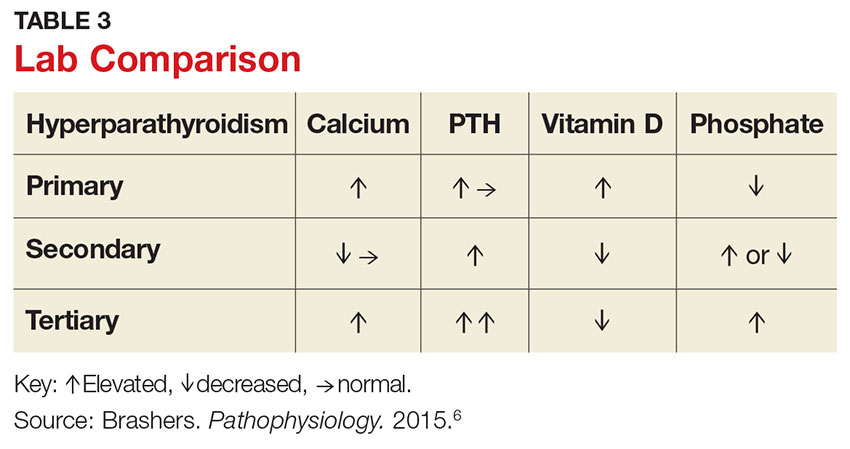
Although not always required for the diagnosis of vitamin D insufficiency, measurement of the serum parathyroid hormone (PTH) level may help establish the diagnosis of vitamin D insufficiency. PTH levels are often elevated in patients with vitamin D insufficiency, indicating secondary hyperparathyroidism.

Periosteal bone pain in adults with severe vitamin D deficiency is best detected using firm pressure on the sternal bone or tibia

Medscape

  • The desired level of Vitamin D is  = > 30 ng/mL

Intake of vitamin D guidelines:

Persons should be having 10mcg (400IU) of vitamin D daily if not getting enough sun exposure


  • Infants aged 0-1 year: ≥10mcg (400 IU) /day to maximise bone health.
  • In children and adolescents aged 1-18 years, at least 15mcg (600 IU) /day to maximise bone health.
  • In adults aged 19-70 years, at least 15mcg (600 IU) /day to maximise bone health and muscle function.
  • Adults older than 70 years: ≥ 20cg (800 IU) /day to maximise bone health and muscle function.

https://academic.oup.com/jcem/article/96/7/1911/2833671?login=false#97183445

The Journal of Clinical Endocrinology & Metabolism, Volume 96, Issue 12, 1 December 2011, Page 3908,

Pregnant mothers and/or  Breastfeeding mothers

Persons should be having 10mcg (400 IU) of vitamin D daily.
If mother has not taken vitamin D supplements during pregnancy then breastfed infants should give vitamin D drops from one month of age as directed by your medical doctor.
Breast fed infants:
They should continue to receive vitamin D supplementation until they are weaned and consume ≥1,000 mL/day of vitamin D-fortified formula or whole milk.


Breast fed milk formula drinking children and/or young children

Formula-fed babies being fed less than 500mls of baby formula per day:
Persons of this age group should have (7mcg – 8.5mcg) 280IU- 340IU of vitamin D in the form of multivitamin drops daily.
Infants will not need this dose until they are receiving less than 500ml of infant formula daily.

Children who are 6 months to five years old:

Persons of this age group should have (7mcg – 8.5mcg) 280IU- 340IU of vitamin D in the form of multivitamin drops daily.

(Infants will not need this dose until they are receiving less than 500ml of infant formula daily).
Do not buy high strength Vitamin D (beware of Vitamin D toxicity) without a blood test and then make sure your healthcare provider has given you advice on what dose and how much Vitamin D must take including dose and for how long (some doses are daily or weekly schedules and the length of time can vary too.
Consider recommended doses until then.

Cause

Conditions and disease that cause deficiency

Medication

Syndromes

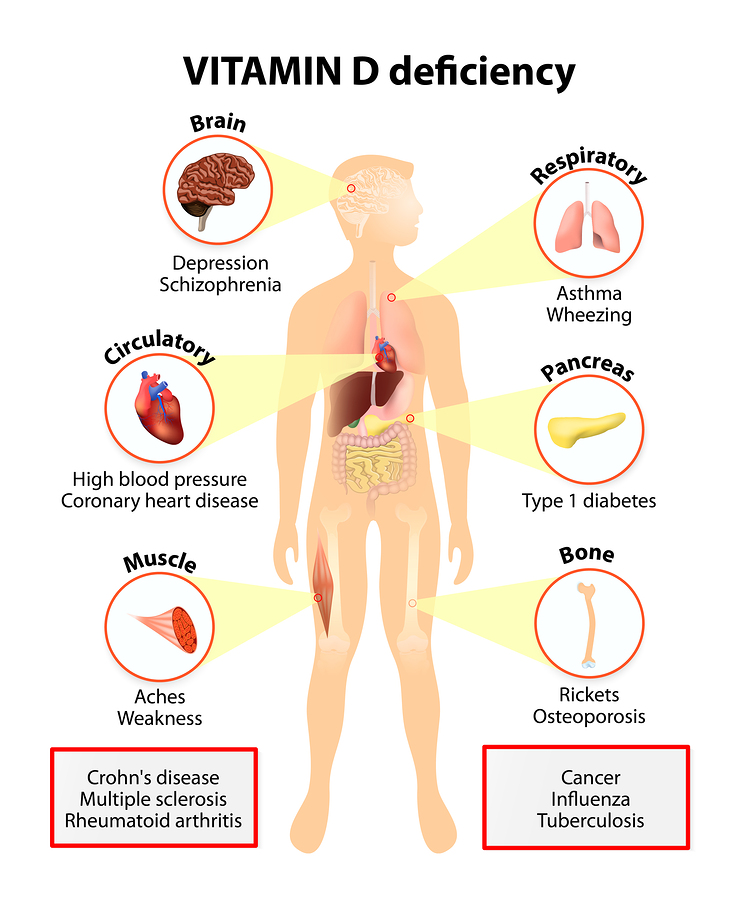
Symptoms

  • Brittle, soft weak bones, dental problems and/or prone to fractures or curved/bone legs and/or curved spine and/or arching back?
  • ‘Pigeon chest’ where breast bone sticks out and/or pain in sternum (located in middle of chest) and/or breastbone (sternum) that either protrudes outwards or indents inwards?
  • With a child sitting, crawling, walking is delayed?
  • Difficulty using arms and/or body and legs and/or lack of stamina and/or walking difficulties?
  • Bony knees?
  • Tetany (due to lack of calcium) – tingling numbnessmouth, lips, tongue and fingers?
  • Pain, numbness, burning and tingling (pins and needles) sensation in one’s hands and fingers (thumb and/or index finger and/or middle finger and/or ring finger and/or small finger)?
  • Bone deformity?
  • Dry eyes?
  • Sweating on forehead due to muscle twitching?
  • Joint pain and stiffness?
  • Bone pain and/or shin pain?
  • Swollen ankles?
  • Hair loss?
  • Runny nose and/or nasal congestion and/or a cold not cleared by over the counter medication or greater than three weeks?
  • Large belly/belly sticks out?
  • Weight gain?
  • One find passing stools difficult (can be painful) and constipated?
  • Pain in sternum (located in middle of chest)
  • Pain in pelvis area and/or lower back and/or intense pain in the back or side (or moving pain from back to side) or in groin area?
  • Balance and dizziness?
  • General discomfort (muscle weakness), uneasiness or ill feeling (malaise) and/or fatigue (tiredness)?
  • Difficulty sleeping and/or lack of sleep?
  • Low mood and depression?
  • Seizures?

Complications /Information to beware of/General tips:

Vitamin D

  • Vitamin D is important because it increases the rate calcium is absorbed into your blood. Ask your doctor how much vitamin D you need.
  • To increase your calcium intake, you can add food rich in vitamin D to your diet.

These include:

    • Fatty fish like salmon and tuna
    • fortified orange juice
    • fortified milk
    • portobello mushrooms
    • eggs
  • As with calcium-rich dairy products, some vitamin D-rich dairy products can also be high in saturated fat.
  • Sunlight triggers your body to make vitamin D, so getting regular exposure to the sun can also help boost your vitamin D levels.
  • Sensible sun exposure, especially between the hours of 10:00 am and 3:00 pm produces vitamin D in the skin that may last twice as long in the blood compared with ingested vitamin D.

Vitamin K2

  • Vitamin K2 activates the proteins required to move calcium from the blood straight into the bone and teeth.
  • Sources include:
    • Natto: A traditional Japanese fermented soybean dish. It is the single richest dietary source available.
    • Hard Cheeses: Varieties like Gouda, Edam, and Jarlsberg. The specific starter bacteria generate high levels of K2.
    • Sauerkraut: Fermented cabbage. It offers modest amounts of K2 alongside beneficial gut probiotics.
    • Kefir: A fermented dairy drink. It contains minor amounts of K2 depending on the fat content

Sumas Mountain Farms

Best Animal-Based Sources (Rich in MK-4)
  • Goose Liver Pate: An exceptionally dense animal source of K2.
  • Beef and Chicken Liver: Organ meats contain significantly more K2 than standard muscle meat.
  • Egg Yolks: The K2 is concentrated entirely in the fat of the yolk, especially in eggs from pasture-raised chickens.
  • Grass-Fed Butter: Butter from cows raised on fresh green pastures contains notably higher K2 levels than grain-fed varieties.
  • Dark Chicken Meat: Thighs and drumsticks contain higher concentrations of the vitamin than lean chicken breast.
  • High-Fat Dairy: Whole milk, heavy cream, and full-fat yogurt from grass-fed animals

Kark

Lifestyle changes

In addition to maintaining healthy calcium and vitamin D levels, there are certain lifestyle changes you can make to promote bone health, these include:

  • Maintaining a healthy body weight
  • Exercising regularly
  • Restricting tobacco use and alcohol intake

Healthline


Avoid vitamin D supplements in the following conditions:


For further detailed information:


This condition can lead to:


Treatments should be used in caution of:

Please talk to your healthcare professional (i.e. Medical Doctor/Pharmacist) for further advice

Detailed Information

Please copy and paste any key words from the title: Low Vitamin D Levels in the following respective 'Medtick References and/or Sources' to find out more about the disease (this also may include diagnosis tests and generic medical treatments).

  • Medical News Today

    Medical news and health news headlines posted throughout the day, every day.

  • Medscape (Professional level)

    Latest medical news and expert commentary in your specialty as well as disease information.

  • Healthline

    Medical Information and health advice you can trust

  • EveryDay Health

    Wellness inspired. Wellness enabled.

  • Pharmaceutical Journal (Professional level)

    The Pharmaceutical Journal covers analysis, features, opinion, learning and careers articles, providing insight and knowledge about drugs, pharmacy practice, medicines use and healthcare policy in the context of the pharmacy profession and pharmaceutical science.

  • NHS

    Find information and advice on health conditions, symptoms, healthy living, medicines and how to get help (British National Health Service).

  • WebMD

    Better Information. Better Health.

  • Cleveland Clinic

    Pushing the Standards of care.

  • Mayo Clinic

    No.1 Hospital in the Nation (America)

  • Drugs.com

    Know more. Be sure.

  • National Organisation of Rare Diseases

    NORD is dedicated to supporting education, elevating care, advancing research, and driving policy for rare diseases.

  • Verywell Health

    Know more. Fell better.

  • Nathnac

    Travel health guidance for health professionals advising travellers and for travellers going overseas from the UK.

  • DR Axe

    Health and fitness news. Recipes, Natural Remedies

  • Better health - NHS

    Healthy changes start with little changes. Whether you want to lose weight, drink less alcohol, get active or quit smoking, you have access to lots of free tools and support through Better Health. You can also find simple ways to lift your mood with Every Mind Matters.

    There has never been a better time to kickstart your health. Let’s do this!