
Hair Growth Cycle
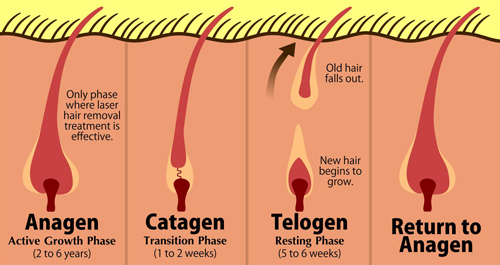
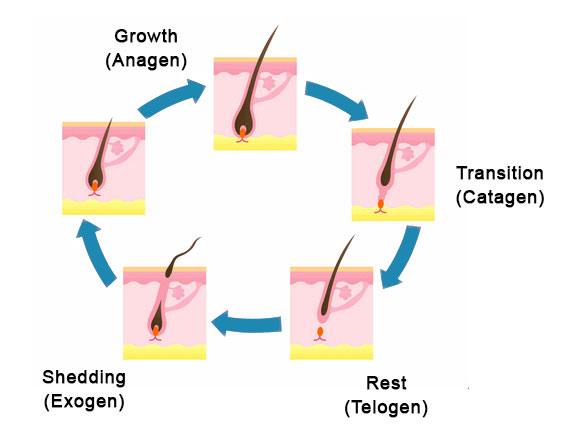
Anagen phase (The Growth Phase): this where 85% to 90% of the hairs actively grows on the average person’s head. it is has the highest amount of melanin and this occurs over a period of two to seven years.
1. Duration: 2–7 years for scalp hair (shorter for body hair, e.g., eyebrows =
weeks).
2. Process: Hair follicles actively produce keratinocytes, forming the hair shaft.
The root divides rapidly, anchored deep in the dermis with blood supply.
3. Outcome: Determines hair length. The longer the anagen phase the longer
the hair. Around 85–90% of scalp hairs are in this phase at any one time.
Catagen phage (The Transition Phase): This is where the hair stops growing and yet does not shed. It is where the hair follicle is being reabsorbed in the head, this period lasts two to three weeks.
Duration: 2–3 weeks.
2. Process: The hair follicle shrinks, detaches from the blood supply, and the
hair growth stops. The lower follicle degenerates, forming a “club hair.”
3. Outcome: Around 1–2% of hairs are in this brief regression phase at any one
time.
Telogen phase (Resting Phase): When the hair rest and slowly weakens because the hair follicle has moved into the head at this point, the hair will begin to fall out, this period lasts three to four months.
Duration: Approx. 3–4 months.
2. Process: Hair remains dormant but still attached. The follicle is inactive, and
new hair begins forming beneath the club hair.
3. Outcome: Approx. 10–15% of scalp hairs are in the telogen phase. Hair
shedding (exogen) occurs during or after this phase.
Exogen phase (Shedding Phase): Hair fall out, a new hair follicle is formed and moves again to anagen phase where hair grows again.
The average person naturally loses about 100 hairs a day and natural hair loss is mainly due to genetics (family history) and higher levels of sex hormone steroids (androgens) – dihydrotestosterone.
Duration: Overlaps with telogen; shedding lasts from days to months.
2. Process: Club hair detaches and falls out due to washing, brushing, or new
hair growth.
3. Outcome: Daily shedding of 50–100 hairs is quite normal. The follicle then
re-enters anagen to restart the cycle.
Cycle Continuity: Each follicle operates independently, ensuring continuous hair coverage. Factors like genetics, age, hormones,
and health influence cycle dynamics(i.e. pregnancy or stress may alter
phase durations). This cyclical process ensures hair renewal while maintaining density across the scalp.
Examples of hair loss are below:
Source: Lengthy Hair
Source: Sunetics
Hair Pattern Baldness – male
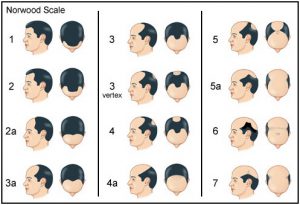
The Norwood Scale, also known as the Norwood-Hamilton Scale, is a classification system used to measure the stages of male pattern baldness (androgenetic alopecia).
It helps aesthetic therapists assess the progression of hair loss and determine
appropriate treatments.
These seven stages can be summarised as follows:
Stage 1 – No significant hair loss or recession of the hairline.
Stage 2 – Slight recession of the hairline, typically in an “M” shape
Stage 3 – Deeper recession at the temples; the earliest stage of
significant baldness.
Stage 4 – Further recession and noticeable thinning at the crown.
Stage 5 – More extensive hair loss, with only a thin bridge of hair
separating the receding hairline and crown.
Stage 6 – The bridge of hair disappears, leaving a large bald area
on the top of the head.
Stage 7 – The most severe stage, with only a horseshoe-shaped band of hair
around the sides and back of the scalp.
Variations to the Norwood Scale:
Norwood Class A:
Diffuse Thinning:
Source: American Hair Loss Council
Hair Pattern Baldness – female
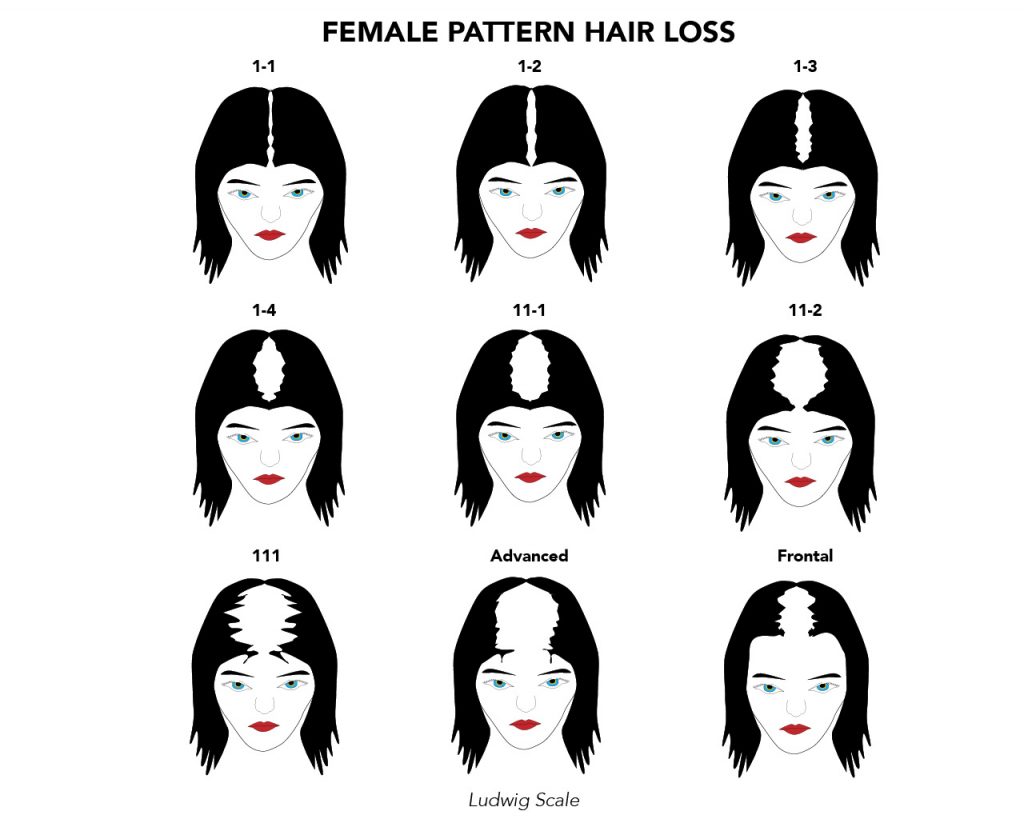
The Ludwig Scale is a classification system used to measure the stages of female
pattern hair loss (androgenetic alopecia). Unlike the Norwood Scale (which applies only to men), the Ludwig Scale focuses on female hair thinning patterns.
The Ludwig Scale has three main stages:
Stage 1 (Mild Thinning) – Minimal hair thinning on the top of the
scalp (crown). The front hairline remains intact. Hair appears slightly less dense, but bald spots are not yet visible.
Stage 2 (Moderate Thinning) -Increased hair loss on the crown, with wider parting.
Hair appears significantly thinner, but some follicles are still active. Scalp may start to become visible in certain lighting.
Stage 3 (Severe Thinning/Balding) – Extensive hair loss on the crown, leaving a thin or bald area. The front hairline is usually preserved, unlike in male pattern baldness.
Source: Gabel Center
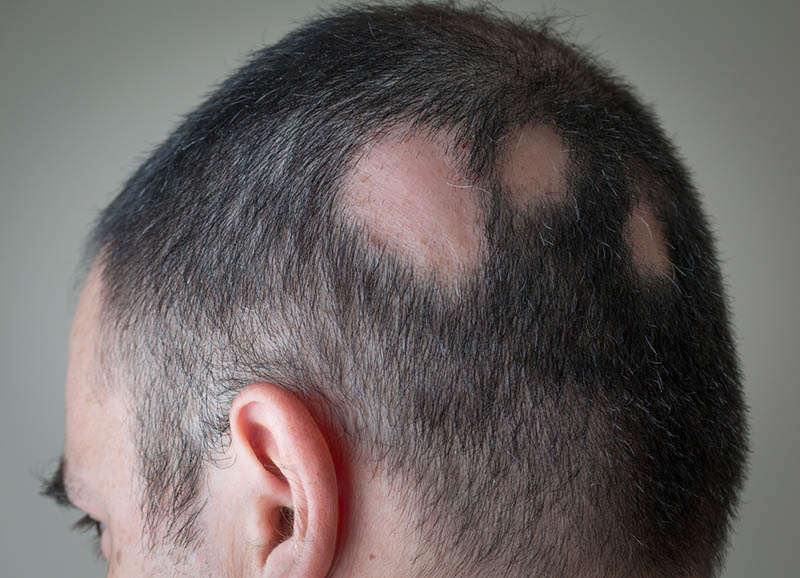
Source: embellishments hair restoration studio
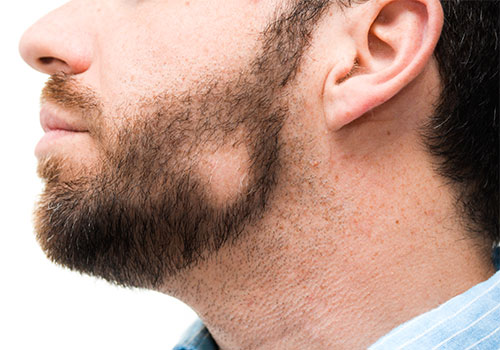
Source: Advanced Hair Clinics
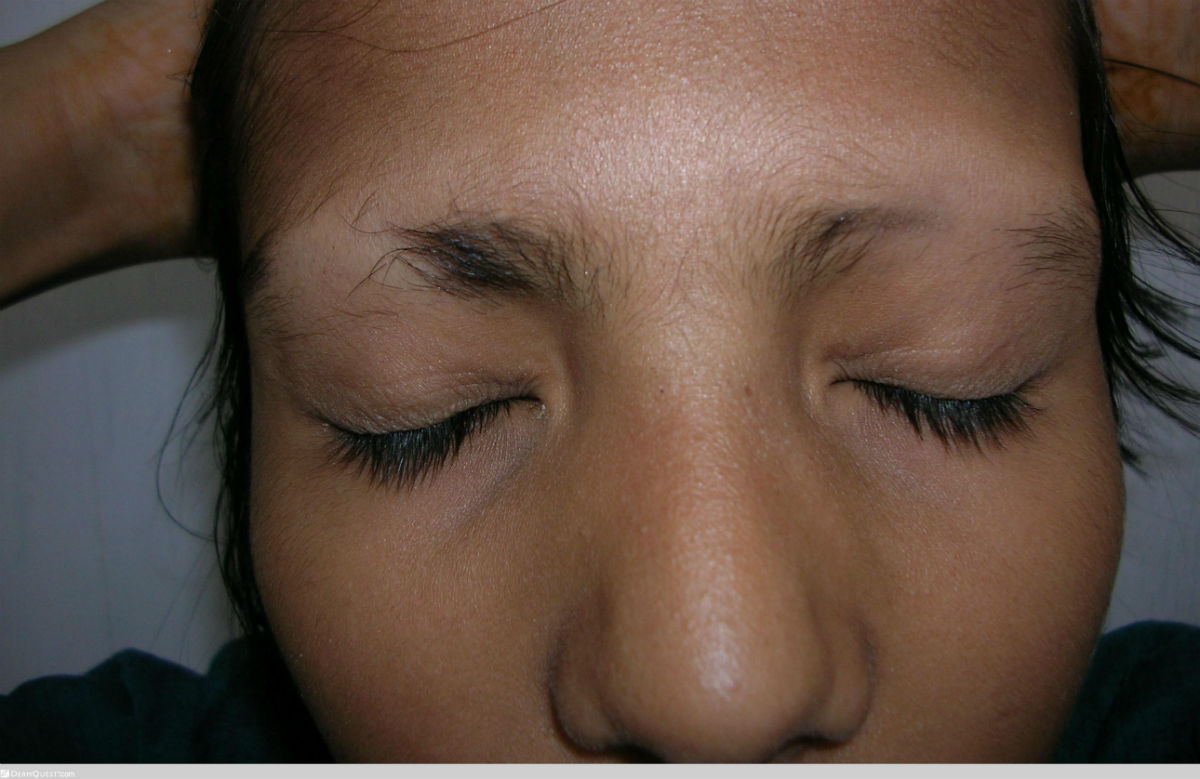
Source: Primary Care Dermatology Society
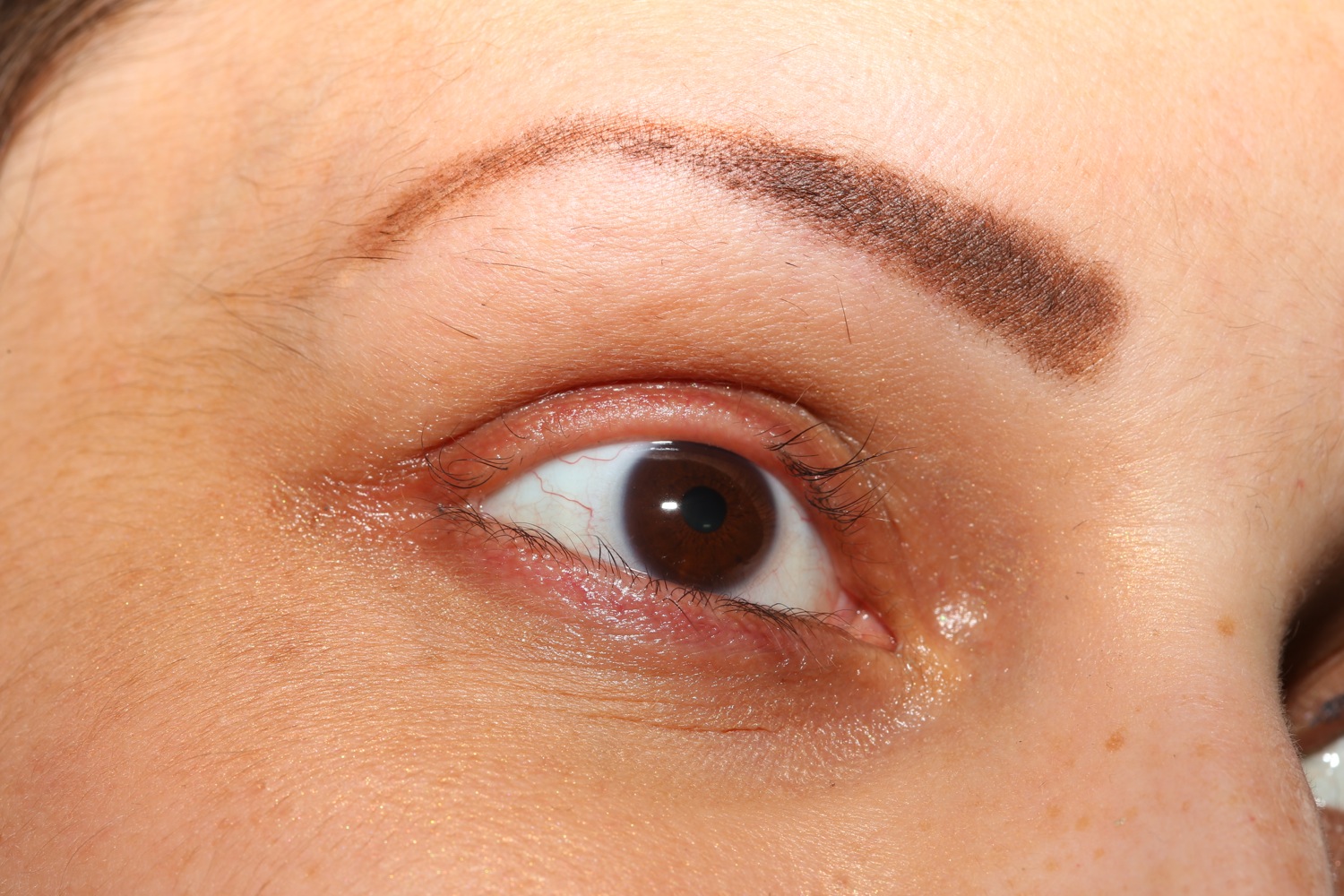
Source: Home remedies and natural treatments
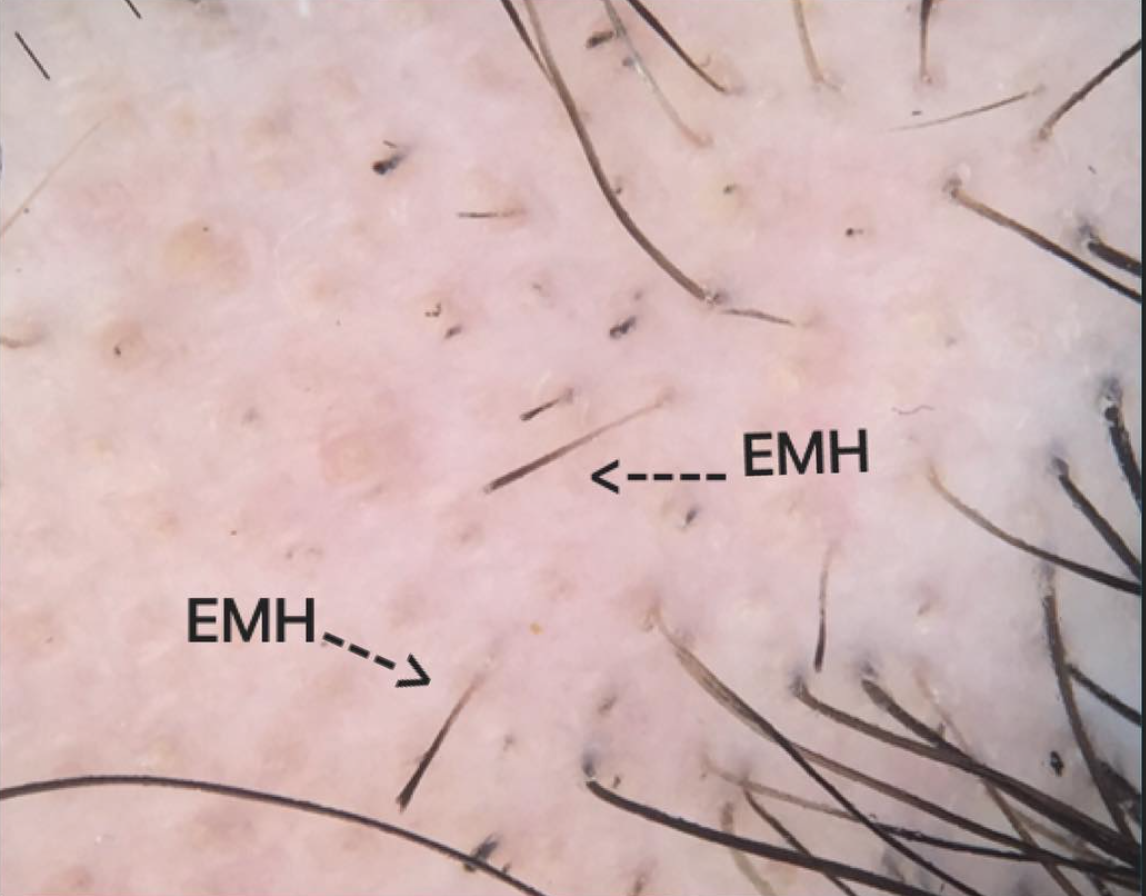
Source: https://donovanmedical.com/hair-blog/tapered-and-exclamation ' Exclamation Hair'
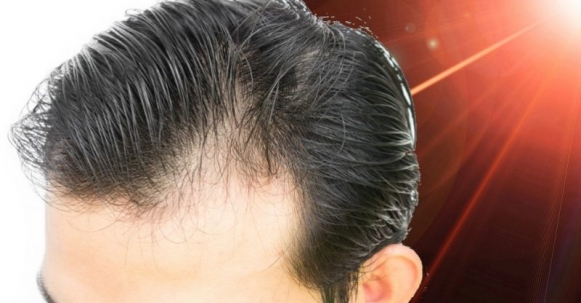
Source: Stop Hair Loss
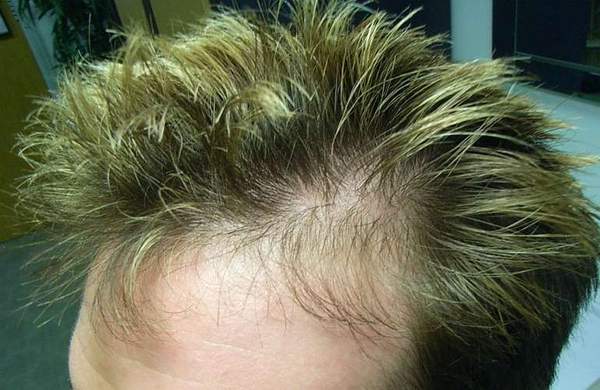
Source: Nature Crazy
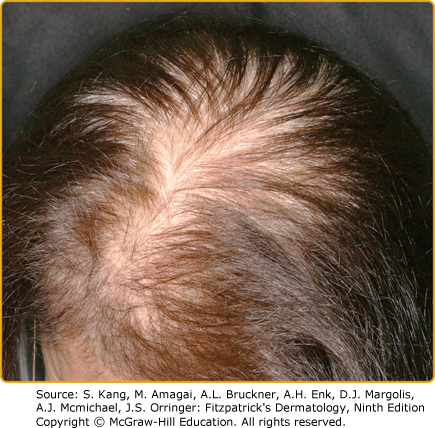
Source: AccessMedicine - McGraw-Hill Medical
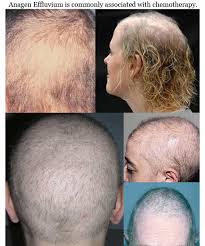
Source: Hair Transplant Mentor
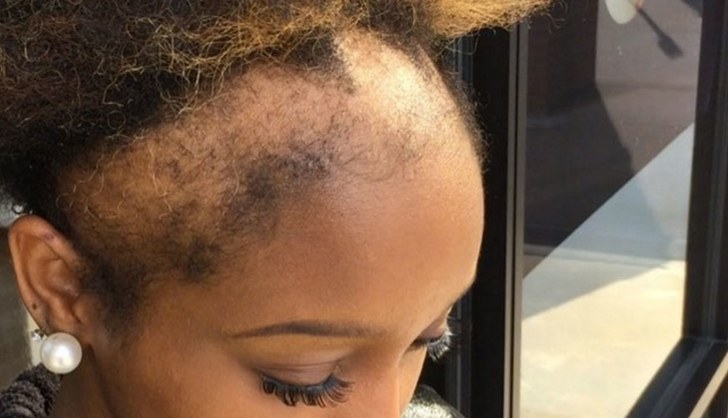
Source: www.self.com
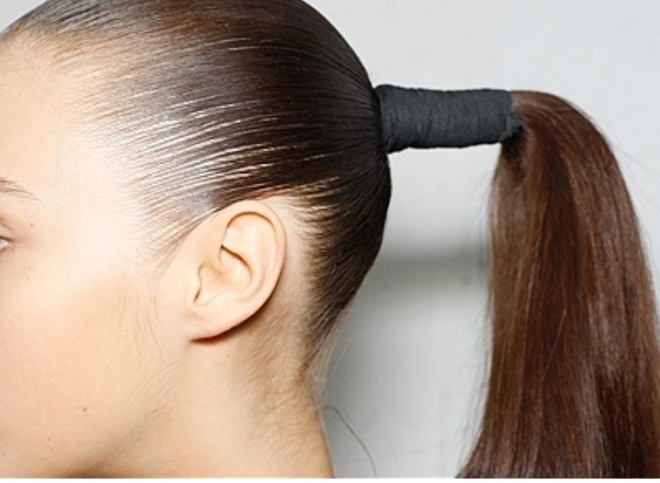
Source: Hair Transplant
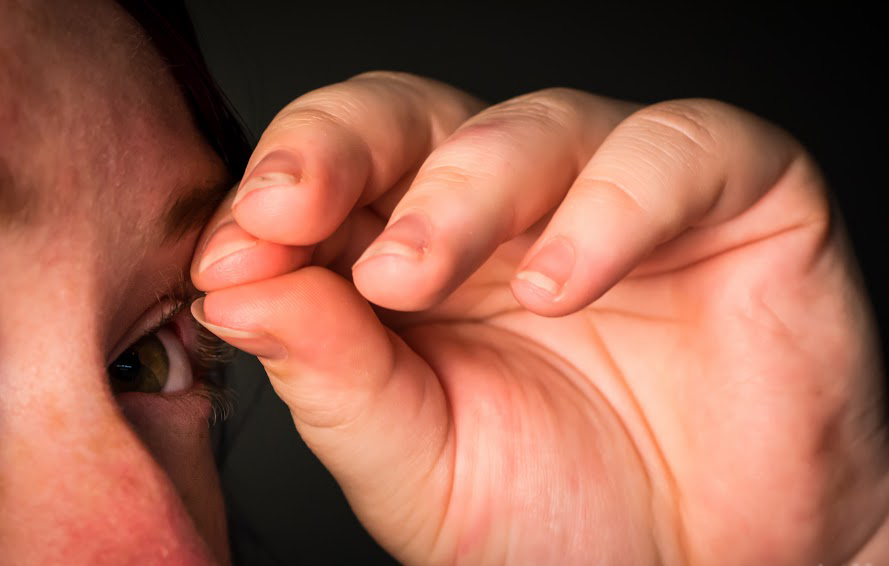
Source: HabitAware

Source: Her.ie
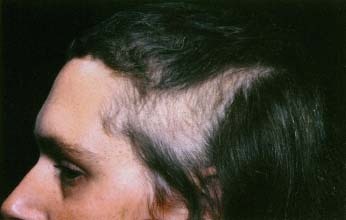
Source: Human Diseases and Conditions
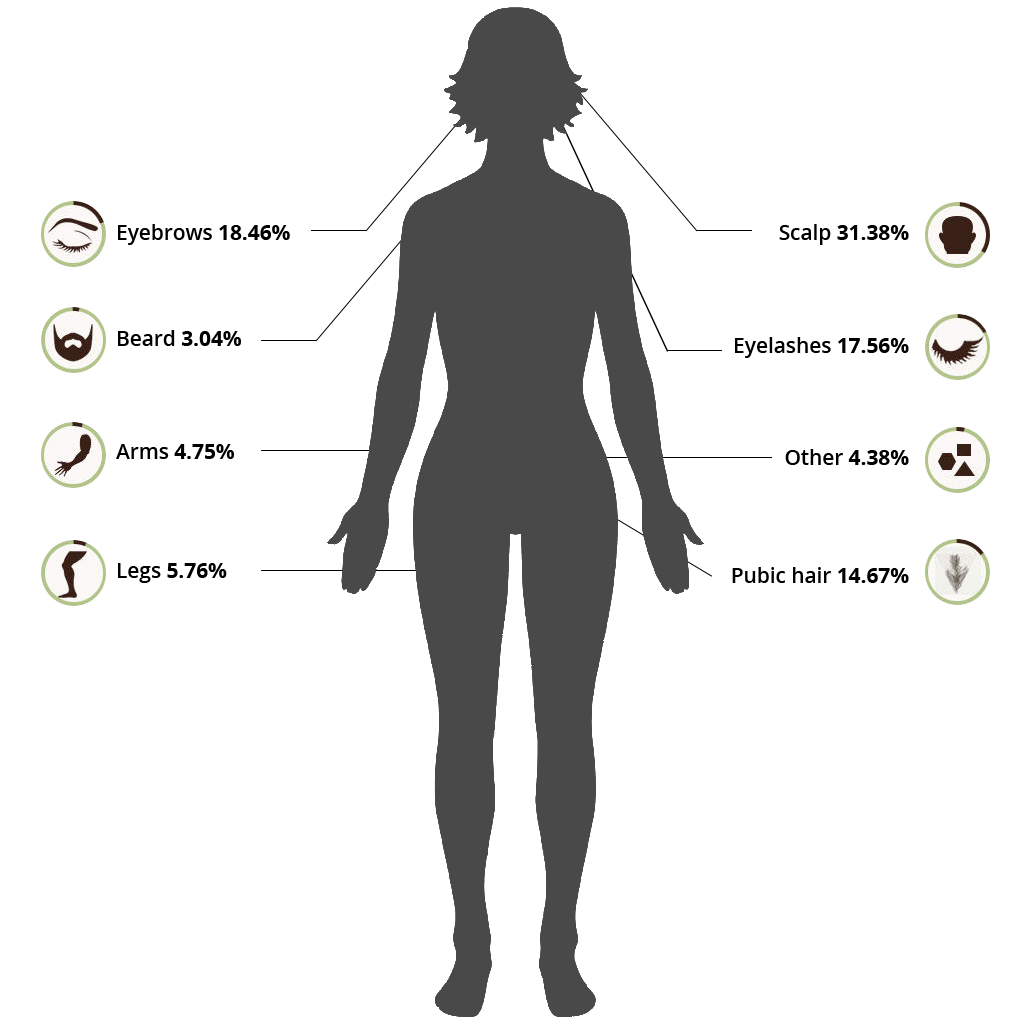
Source: TrichStop.com
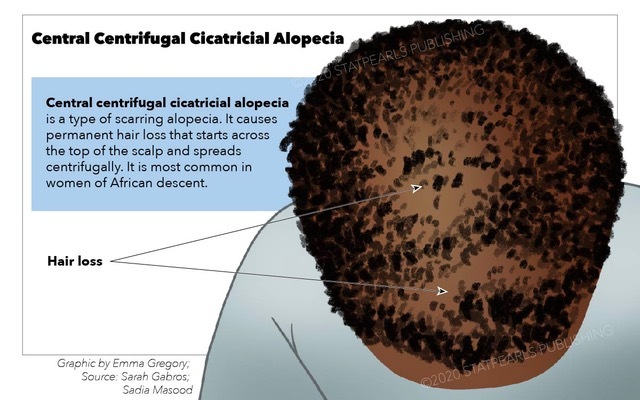
Source: https://www.ncbi.nlm.nih.gov/books/NBK559187/figure/article-425.image.f1/
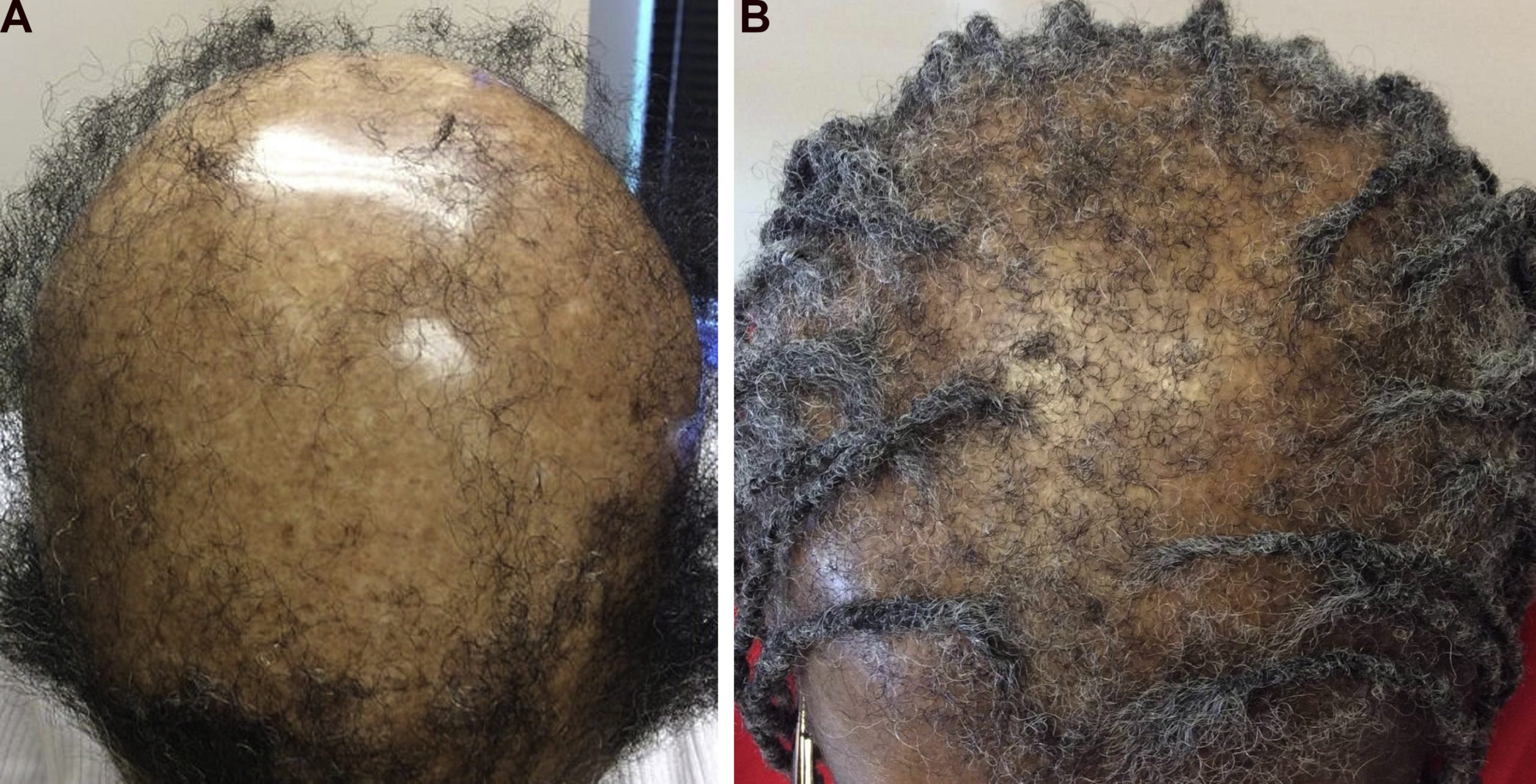
Source: https://www.derm.theclinics.com/article/S0733-8635(21)00018-8/abstract
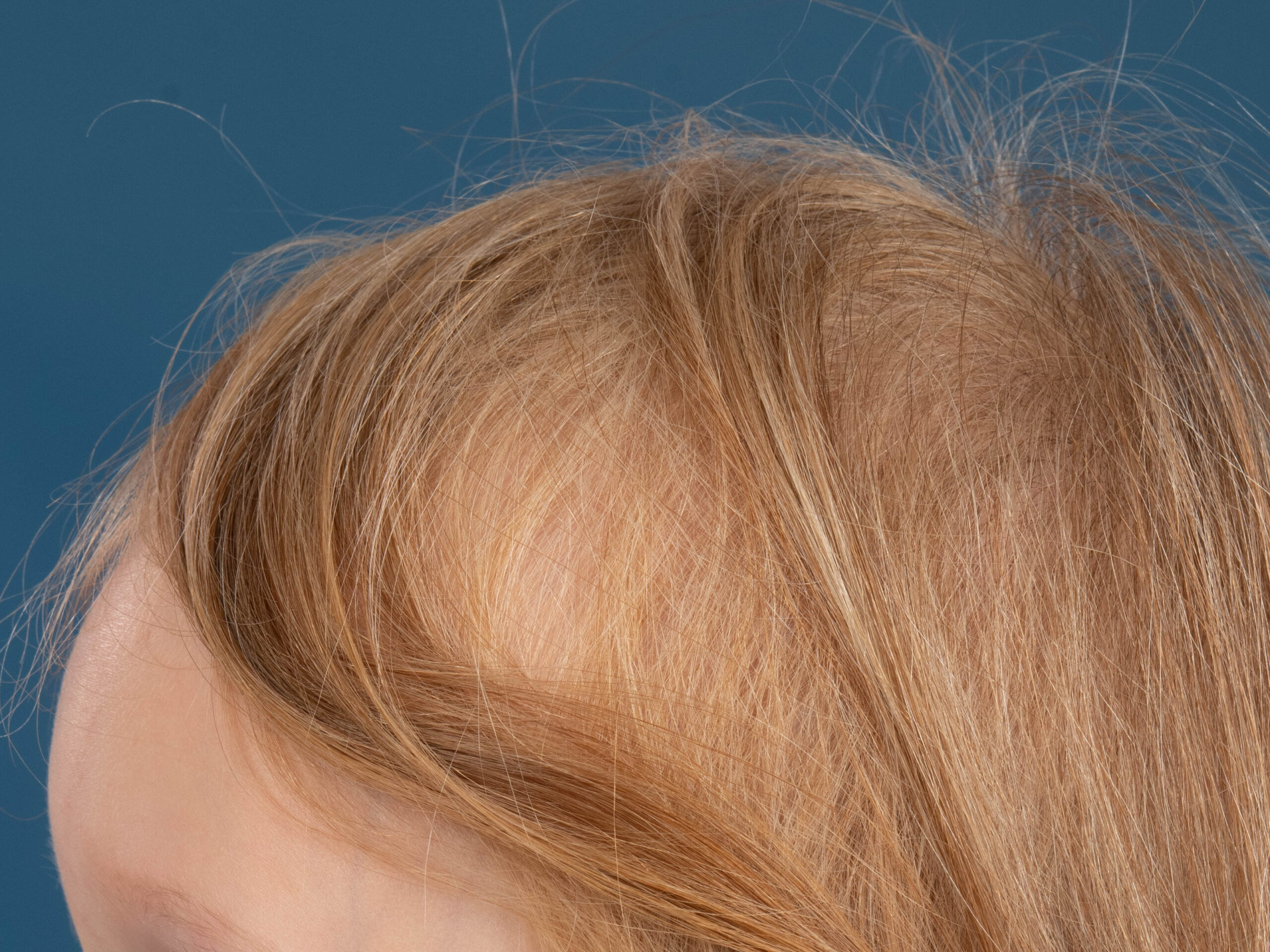
Source: https://www.huidziekten.nl/zakboek/dermatosen/ltxt/loose-anagen-hair-syndroom.htm
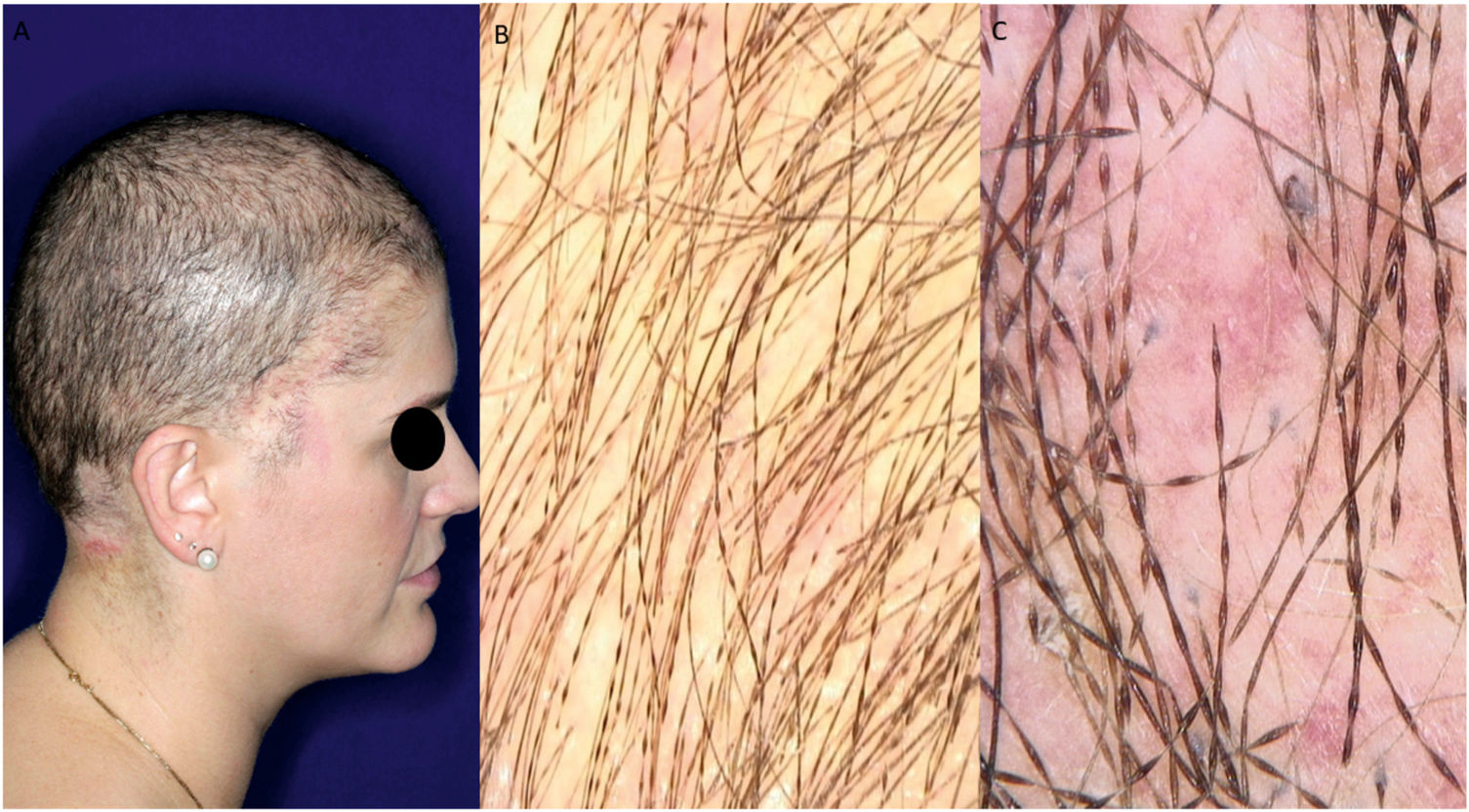
Source: https://www.anaisdedermatologia.org.br/en-moniletrix-scalp-from-almost-normal-articulo-S0365059621001550
Does one have:
Regarding this condition, one will need to proceed further in the programme.
Regarding this condition, one will need to proceed further in the programme.
Regarding this condition, one will need to proceed further in the programme.
Regarding this condition, one will need to proceed further in the programme.
Regarding this condition, one will need to proceed further in the programme.
Regarding this condition, one will need to proceed further in the programme.
Regarding this condition, one will need to proceed further in the programme.
Regarding this condition, one will need to proceed further in the programme.