What is it?
Complications /Information to beware of/General tips:
Please call your Medical Doctor surgery via phone/email before you go to the practice as they may want to consult with you first before you enter the surgery to prevent spreading of the infection.
- Avoid foods that trigger your diarrhoea for at least 24 hours e.g.
- Fatty foods
- Spicy foods
- Vegetables
- With the exception of bananas, avoid eating fruit. This includes fresh apples.
- Fibre foods (If one has a low-fibre diet, it may help to increase the fibre in the diet to normal levels. This is simply achieved by eating a healthy balanced diet that includes some fruit and vegetables. However, a high-fibre diet may make things worse, as too much fibre can cause loose stools).
- Drinks: tea, coffee, milk.
- Sugary foods and drinks : include sorbitol sweetener products, fruit drinks, sports drinks, fizzy drink (All contain sugar that draws water into the intestine and can make diarrhoea worse).
- Drink plenty of water at least 2 litres daily (or as much as you can, ideally boiled and cooled water) and 200mls of water after each bowel motion.
- Take sips of water regularly to rehydrate one’s body.
- Don’t eat any food if vomiting or feeling sick for at least a couple of hours. If one can’t hold anything down at all only drink water and when one feels ready to eat and then try.
- Breakfasts that are suitable include:
- Banana’s
- Apple sauce
- Crisp rice cereal
- Eggs boiled or scrambled with a minimum of butter or oil
- Oatmeal, cream of wheat, farina, or rice porridge
- Plain, low-fat yogurt with live bacterial culture
- Pancakes or waffles without syrup (check to ensure the product or mix does not contain fully or even partially hydrogenated oils)
- Unflavored rice cakes
- Try to avoid dairy – small portion of non-fat milk is ok with cereal
verywellhealth
- Other times of day: Eat plain foods like dry toast, dry biscuits and soups initially and then try to eat foods high in carbohydrates, bread, boiled potatoes, pasta, and rice (white rice is beneficial to treating diarrhea, avoid barley, brown rice, bulgar, millet, or similar whole grains which can make diarrhea worse).
- Try yoghurts that contains lactobacillus, or live cultures
(Lunch and dinner would focus on the increased intake of protein, the avoidance of excessive fats, and the addition of certain carbohydrates to help bind watery stools)
- Safe food options include:
-
- Canned tuna packed in water (not oil)
- A small portion of lean chicken, turkey, or pork
- Chicken broth
- Crackers
- Salty pretzels
- Plain pasta or noodles
- Sandwich with lean lunch meat (avoid whole-grain bread)
- Mashed potatoes, sweet potatoes, or winter squash
- A small portion of carrots, green beans, mushrooms, beets, asparagus tips, or peeled zucchini
- A vegetable soup made with the ingredients listed above
- While white rice is beneficial to treating diarrhea, avoid barley, brown rice, bulgar, millet, or similar whole grains which can make diarrhea worse.
verywellhealth
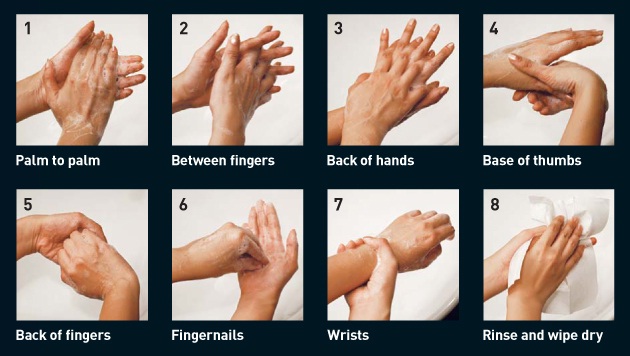
- Always wash your hands thoroughly
- Good hygiene is essential.
- Clean toilets, flushing handles, and toilet seat with disinfectants.
- Wash one’s hands before eating, sharing phones and keyboards, especially after going out e.g. gardening or playing with animals and after going to the toilet or changing nappies. Hand-washing is more effective than hand sanitizer against norovirus, use alcohol-based sanitizer (preferred) when hand-washing is not possible.
- Don’t share eating utensils, drinking glasses or bottles, toothbrushes, flannels or towels or other personal items.
- Before cleaning, put on disposable gloves if possible.
- Thoroughly clean and disinfect contaminated surfaces including doorknobs and faucets. Clean first, then spray the area with a disinfectant cleaner or clean with a wipe that has bleach. Bleach can harm fabrics.
- Organise a separate toilet to other people if possible and clean it with disinfectant after use immediately.
- Flush vomit and faces in the toilet and make sure that the surrounding area is clean.
- Dispose of used cleaning items in the trash. Place contaminated waste in a plastic bag, tie the bag and put it in a trash receptacle.
- Immediately remove and wash clothing or bedding contaminated with diarrhoea or vomit.
- Keep soiled clothing separate from soiled clothing, and wash soiled clothing or linens in hot water. Also use pre-wash cycle if it’s available.
- Avoid touching your eyes, nose or mouth.
- Avoid close contact with people who are sick, if possible.
- Food hygiene is important:
- Wash your hands before; during and after preparing food (ideally a person with diarrhoea should not touch food 48 hours after last episode).
Wash all surfaces and utensils.
- Never store raw foods and cooled foods together.
- Keep food refrigerated.
- Always cook food thoroughly especially meats and eggs.
- Never eat food past its sell by date.
- Never eat dairy products or food containing mayonnaise that has been out of the fridge too long.
- Avoid raw fish and oysters.
- Always wash raw vegetables thoroughly.
- Try to keep room at a suitable/comfortable temperature.
- Avoid smoky areas. Cut down and/or stop smoking.
- Do not return to work/school or visit friends/relatives in hospital or care homes at least two days after last episode.
- Do not swim in swimming pools until two weeks after diarrhoea has stopped.
- If one has taken antibiotics, consider probiotic drinks to restore good bacteria.
- Antibiotics are not usually given to treat diarrhoea and vomiting, as the cause of the condition may be due to a virus. Antibiotics only work on fighting bacteria and not viruses (unless the medical prescriber believe it is a bacterial infection).
- Always have a good healthy diet.
- Fasting is not recommended.
Females
- Always wipe from front to back.
- If taking a contraceptive and one has diarrhoea, one’s tablets may not be as effective. Use barrier methods during diarrhoea period and seven days after last episode.
- Diarrhoea can reduce the effects of contraceptive tablets, please talk to your pharmacist/ medical doctor / clinic for further advice.
Children (under 12 years old)
- Check if child is upset or anxious about anything, find out why, reassure child.
- Keep to a bed routine with a warm drink before bed.
- Warm bath may help them to sleep.
- Keep your child’s bottom dry.
- Fasting is not recommended.
Fat
- Diarrhoea is more common in children who eat a low-fat diet.
- Preschool children should have about 35-40% fat. In general, this means drinking whole milk rather than semi-skimmed or skimmed and to include foods such as yoghurts, milk puddings, cheeses and dairy products.
Fluid and fruit juice (children)
- Do not give children too much fruit juice or squash.
- Too much juice or squash is not good for the following reasons:
- Fruit juices contain various sugars (carbohydrates). Some types of sugar are not digested or absorbed and so get to the large bowel (colon). Here they may act to keep water in the bowel and cause watery stools. Clear apple juice seems to be the worst, as it contains a lot of certain sugars. Cloudy juices that contain some fibre are not as bad.
- The sugar in juice and squash contains a lot of calories. This can reduce the appetite for normal meals. Therefore, the child tends to eat less fat and fibre at normal mealtimes. Some children seem to obtain most of their daily calories from juice and don’t eat very much solid food.
Fibre (children)
If your child has a low-fibre diet, it may help to increase the fibre in the diet to normal levels. This is simply achieved by eating a healthy balanced diet that includes some fruit and vegetables. However, a high-fibre diet may make things worse, as too much fibre can cause loose stools.
Patient trusted medical information and support
- Don’t give your child any medicines to stop diarrhoea. It’s best that any diarrhoea (and the virus or bacteria that caused it) leaves the body.
- Keep your child away from people who have a weakened immune system while your child is unwell.
Babies
- Breast feeding
- Continue to give breast milk. Try to feed little and often at first. If your child continues to vomit, try offering them smaller amounts of milk.
- If on formula
- Make sure their bottles are sterilised carefully.
- Do not make milk formula in advance to be stored for later feeds as the bacteria in the bottles can cause further health problems.
- Give baby formulas as usual (little and often at first)but also give extra water, do not dilute feeds.
- If your child continues to vomit, try offering them smaller amounts of milk.
- Ensure your child’s bottom is cleaned gently and thoroughly after each episode of diarrhea, use plenty of nappy cream/ barrier cream when changing nappies to prevent soreness and nappy rash
- If your child has diarrhoea or vomiting, they may feel tired and irritable. Always place your baby on their back in their cot to sleep, as this position reduces the risk of Sudden Unexpected Death in Infancy.
- Talk to your medical doctor and/or paediatrician if weaning babies of milks to solid foods.
General tips For vomiting
Follow these instructions in order:
- Do not eat or drink anything for several hours after vomiting.
- Sip small amounts of water or suck ice chips every 15 minutes for 3-4 hours.
- Next sip clear liquids every 15 minutes for 3-4 hours. Examples include water, sports drinks, flat soda, clear broth, gelatin, flavored ice (if applicable) or apple juice.
- Do not drink citrus juices or milk.
- Increase fluids as tolerated.
- When you can tolerate clear liquids for several hours without vomiting and if you’re hungry, try eating small amounts of bland foods. Try foods such as bananas, rice, applesauce, dry toast, soda crackers (these foods are called BRAT diet).
- For 24-48 hours after the last episode of vomiting, avoid foods that can irritate or may be difficult to digest such alcohol, caffeine, fats/oils, spicy food, milk or cheese.
- When you can tolerate bland food, you can resume your normal diet.
- Do not give anti-sickness medicines without medical professional advice
University health service, University of Michigan
General tips For Wind
- Peppermint tea may help.
- If have a lot of wind increase intake of oats and linseeds and papayas
- Charcoal products (tablets and pads) may help if suitable (they help to absorb gas, but can interfere with absorption of medication, see your pharmacist if unsure)
- Probiotic yogurts may help, they help to restore the natural flora in one’ stomach (gas release can occur if there is an imbalance of ‘friendly’ bacteria and bad bacteria).
Please talk to your healthcare professional (i.e Medical Doctor/Pharmacist) for further advice
Detailed Information
Please copy and paste any key words from the title: Food poisoning in the following respective 'Medtick References and/or Sources' to find out more about the disease (this also may include diagnosis tests and generic medical treatments).
- Medical News Today
Medical news and health news headlines posted throughout the day, every day.
- Medscape (Professional level)
Latest medical news and expert commentary in your specialty as well as disease information.
- Healthline
Medical Information and health advice you can trust
- EveryDay Health
Wellness inspired. Wellness enabled.
- Pharmaceutical Journal (Professional level)
The Pharmaceutical Journal covers analysis, features, opinion, learning and careers articles, providing insight and knowledge about drugs, pharmacy practice, medicines use and healthcare policy in the context of the pharmacy profession and pharmaceutical science.
- NHS
Find information and advice on health conditions, symptoms, healthy living, medicines and how to get help (British National Health Service).
- WebMD
Better Information. Better Health.
- Cleveland Clinic
Pushing the Standards of care.
- Mayo Clinic
No.1 Hospital in the Nation (America)
- Drugs.com
Know more. Be sure.
- National Organisation of Rare Diseases
NORD is dedicated to supporting education, elevating care, advancing research, and driving policy for rare diseases.
- Verywell Health
Know more. Fell better.
- Nathnac
Travel health guidance for health professionals advising travellers and for travellers going overseas from the UK.
- DR Axe
Health and fitness news. Recipes, Natural Remedies
- Better health - NHS
Healthy changes start with little changes. Whether you want to lose weight, drink less alcohol, get active or quit smoking, you have access to lots of free tools and support through Better Health. You can also find simple ways to lift your mood with Every Mind Matters.
There has never been a better time to kickstart your health. Let’s do this!