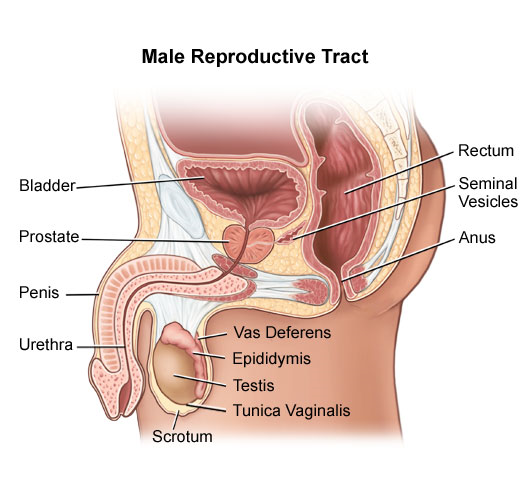
When one is not able to get an erection or to keep one that’s firm enough and/or that lasts long enough for a man to have a satisfying sexual experience and/or when one cannot erect their penis when they wish too.
This is a concern if it occurs on regular occurrence.
Most cases are to do with neurological (nerve) related conditions and blood circulation conditions.
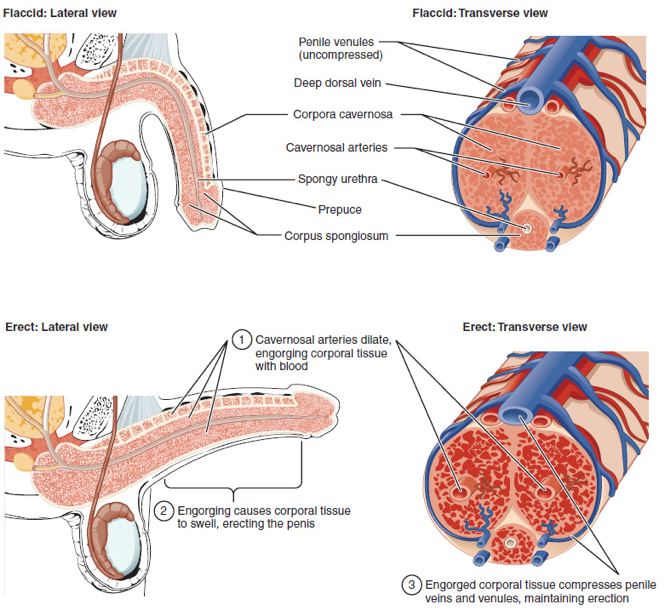
An erection occurs when sexual stimulation—physical touch or an erotic thought—triggers the brain to signal muscles in the penis to relax.
This allows more blood to flow into the penis, filling the blood vessels and causing the penis to become rigid and erect.
Normally blood stays trapped in the penis by a membrane called the tunica albuginea until the man has an orgasm and ejaculates.
verywell Health
An erection ends when the muscles contract and the accumulated blood can flow out through the penile veins.
Erectile dysfunction occurs if there are any problems or malfunction at any point of the erection process.
This condition can lead to male infertility, other factor of male infertility to consider are:
Primary testicular defects
These tend to be inherent (however sometimes of unknown cause) testicular problems causing decreased sperm and/or testosterone production examples include Klinefelter syndrome and/or to one extra X-chromosome.
Kallmann syndrome (abnormal development of the hypothalamus — that can affect smell and red-green colour blindness and low sex drive)
Defects in sperm transportation
Impaired sperm transportation may result in oligospermia (low levels of sperm in the ejaculate) or azoospermia (no sperm in the ejaculate).
Obstructive:
Infection
Transection of the vas following vasectomy and congenital absence of the vas deferens (the tube that carries the sperm from the epididymis to the urethra)
Alpha blockers used for the treatment of lower urinary tract symptoms can cause contraction of the seminal vesicles resulting in a lower ejaculate volume
Revenig L, Leung A, Hsiao W. Ejaculatory physiology and pathophysiology: assessment and treatment in male infertility. Transl Androl Urol 2014;3:41–9. doi:10.3978/j.issn.2223-4683.2014.02.02
Non obstructive
Medication causing infertility
Examples include:
Cyclophosphamide
Cyclosporin
Leflunomide
Methotrexate
Mycophenolate mofetil
Sulfasalazine
Tacrolimus
Thalidomide
Diagnosis tests
Morning serum total testosterone levels should be measured instead of nocturnal levels. Measurement of serum total testosterone is recommended in all men with ED to identify testosterone deficiency, defined by levels < 300 ng/dL with clinical symptoms and signs.
Physical trauma (including riding a bike on certain saddles for long periods of times, pelvis fractures) and/or surgery to genital area (can damage nerves)
Sleep-related painful erections (SRPE) – rare form of parasomnia characterized by painful erections during REM sleep that awaken the individual.
Daytime erections remain normal and painless. Episodes often last approximately 15 minutes and may result in sleep disruption, fatigue, and increased irritability.
Hard flaccid syndrome (HFS) – characterized by a penis that remains in a firm, semi-rigid, or shrivelled state, accompanied by sensory changes, cold sensation, pain, erectile dysfunction, and urinary symptoms. Preceding trauma, often during sexual activity or masturbation,
Kallmann syndrome (abnormal development of the hypothalamus — that can affect smell and red-green colour blindness and low sex drive)
Postorgasmic illness syndrome (POIS) – flu-like or allergy-like symptoms that occur within seconds to hours after ejaculation and persist for 2-7 days.
Restless genital syndrome (ReGS) – characterized by persistent, unpleasurable genital feeling (type of chronic pain where normal touch is perceived as an unpleasant, abnormal, or painful sensation), often described as a sensation of impending orgasm without sexual desire. Symptoms may worsen with sitting and are associated with significant psychological distress.
Medication
Cancer medication such as Myleran (busulfan) and Cytoxan (cyclophosphamide)
One should also talk to their Medical Doctor if one is not having enjoyable sex in terms of this condition and any medical related issues.
This condition may show similar symptoms to penile fracture and/or injury:
Typical cause include:
sexual intercourse- Female partner was on top, straddling the penis, and that the penis slipped out, hitting the perineum or the pubis of the female partner
Symptoms include:
Sharp pain to a discomfort that lasts hours after intercourse
Popping, cracking, or snapping sound with immediate of tension, swelling and/or (especially) sexual arousal
Penile skin discoloration and/or Penile swelling (blood clot under the skin)
Penis is abnormally curved, often in an S shape
Penis is often deviated away from the site of the tear secondary to mass effect of the haematoma (blood clot under the skin)
Blood at opening of penis canal
Pain when urinating
Not going to the bathroom to urinate (this maybe because it painful and/or swelling of internal part of penis causing a blockage)
An MRI scan needs to be preformed and surgery maybe required.
Please talk to your healthcare professional (i.e. Medical Doctor/Pharmacist) for further advice
Detailed Information
Please copy and paste any key words from the title: Erectile dysfunction in the following respective 'Medtick References and/or Sources' to find out more about the disease (this also may include diagnosis tests and generic medical treatments).
The Pharmaceutical Journal covers analysis, features, opinion, learning and careers articles, providing insight and knowledge about drugs, pharmacy practice, medicines use and healthcare policy in the context of the pharmacy profession and pharmaceutical science.
Healthy changes start with little changes. Whether you want to lose weight, drink less alcohol, get active or quit smoking, you have access to lots of free tools and support through Better Health. You can also find simple ways to lift your mood with Every Mind Matters.
There has never been a better time to kickstart your health. Let’s do this!